
Why is continuous professional development crucial for football coaches in the digital age?
Staying ahead of the game: Why continuous learning is non-negotiable for modern football coaches
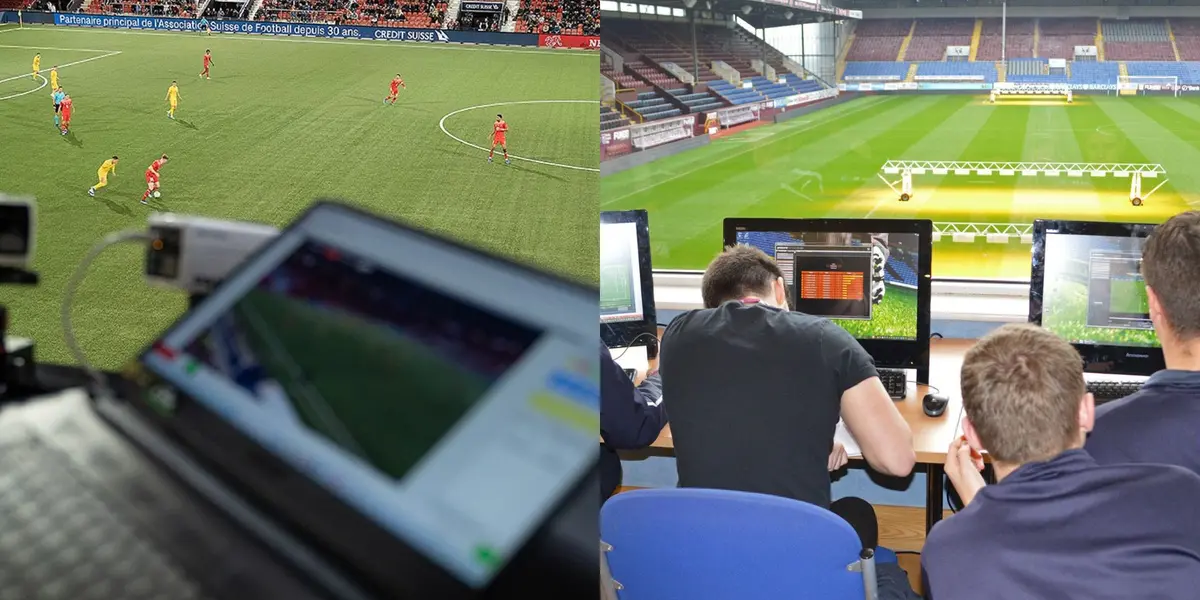
The landscape of professional football has dramatically shifted, redefining the role of the coach. No longer solely a tactician on the sidelines, today's coach is a multifaceted leader, a skilled manager of human capital, and a data analytics expert. This evolution is fueled by the sport's global reach, heightened fan expectations, and, crucially, the rise of transformative technologies that have revolutionized both playing and training methodologies.
In this dynamic environment, continuous professional development is paramount for coaching success. Experience as a player or a grasp of fundamental tactics is insufficient. Modern coaches must be lifelong learners, adapting to constant change and mastering the technological tools that optimize performance.
From gut instinct to data-driven decisions: The power of continuous learning
The continuous training of football coaches in the modern era transcends simply updating tactical knowledge. It represents a holistic transformation, encompassing areas like training methodology, team dynamics, communication strategies, and effective leadership.
Coaches who prioritize continuous development are better equipped to analyze the game, pinpoint team strengths and weaknesses, craft winning strategies, and make informed decisions both on and off the field. Furthermore, this ongoing learning cultivates the leadership skills vital for player motivation, fostering a positive team culture, and achieving collective goals.
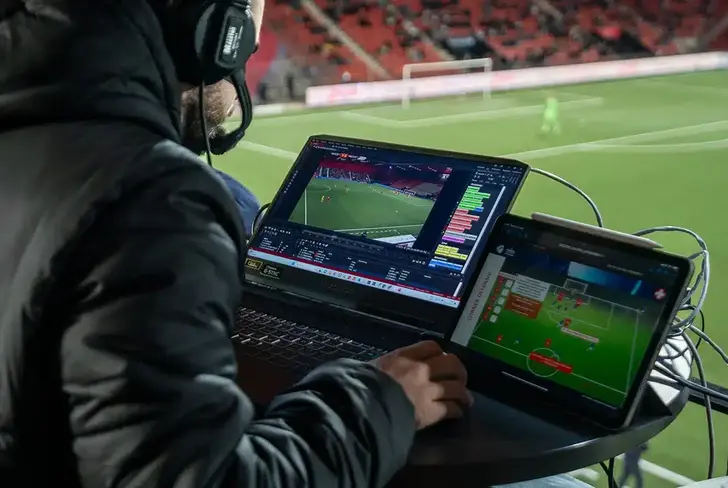
Technology as a game changer: Data analytics and AI in football
Technology has become an indispensable asset for today's coaches. Data analytics, artificial intelligence, and video analysis platforms provide invaluable insights into player performance, opponent strategies, and global football trends.
This data empowers coaches to improve decision-making, optimize training regimes, personalize player development plans, and create more impactful strategies. Coaches proficient in these technological tools possess a distinct competitive edge.
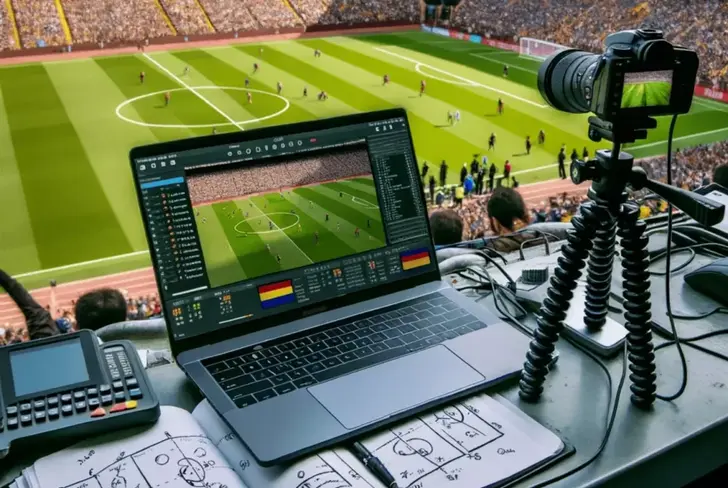
The 4.0 coach: Essential skills for the digital football age
In today's football world, continuous coach development should focus on cultivating specific competencies essential for success in the digital age. These include:
- Data Literacy: The ability to interpret and leverage data to enhance team performance.
- Technology Proficiency: Mastery of available technological tools, such as video analysis software and player tracking systems.
- Digital Communication: The ability to communicate effectively with players and staff via digital platforms.
- Digital Age Leadership: The ability to motivate and guide players within a digitized environment.
- Adaptability: The capacity to adapt to the ever-evolving landscape of modern football and emerging technologies.
Success stories: Continuous development as a catalyst for transformation
Numerous examples exist of coaches who have achieved remarkable success through their dedication to continuous learning and embracing new technologies. These coaches have transformed their teams, unlocked player potential, and achieved significant results at both national and international levels.
Their success stories serve as inspiration for aspiring coaches seeking to elevate their performance and reach their goals. They demonstrate that continuous development and technological adaptation are cornerstones of success in modern football.
The future of football: Shaping the next generation of coaches through continuous learning
The future of football rests on the shoulders of the next generation of coaches. Continuous development and adaptation to emerging technologies will be critical in ensuring these coaches are prepared for the challenges of tomorrow's game.
Investment in high-quality training programs is essential, enabling coaches to acquire the skills and knowledge necessary to thrive in modern football. Furthermore, fostering a culture of lifelong learning that encourages coaches to constantly update their knowledge and adapt to change is crucial.
Continuous coach development is a strategic investment that benefits coaches, teams, and the sport as a whole. By investing in their coaches' development, clubs and leagues are investing in the future of football.
Key takeaways on continuous coach development in modern football:
- It's a continuous process: Learning doesn't end with a degree or certification. Coaches must constantly evolve to stay current.
- It's multi-faceted: Development extends beyond tactics to encompass methodology, management, communication, and leadership.
- Technology is essential: Coaches must master technological tools to optimize their work and make informed decisions.
- It impacts performance: Well-trained coaches are better positioned to improve team and player performance.
- It's an investment in the future: Continuous development is crucial for the growth and success of football.
You may also be interested in


More news

The Numbers Don't Lie: Casemiro's Dominance Returns
31/03/2025
United's Dream Pairing: The Duo Fans Are Eager to See
31/03/2025

Hojlund's Fate: Will He Stay or Leave Man United?
31/03/2025

Højlund's Plummeting Value: A Cause for Concern at Man United
31/03/2025

Giggs' Misjudgement: Depay's Free-Kick Hopes Fall Flat
31/03/2025

Man United's Summer Clearout: Players on the Chopping Block
31/03/2025
Financial Divide: Man United's Value Dwarfs Olympique Lyon's Squad Cost
30/03/2025

Onana Exit Rumors Swirl: How the Goalkeeper Is Responding
30/03/2025
Eriksen breaks the silence about the rumors of not renewing
30/03/2025
World-Class Player Available: Romano Reveals Transfer Bombshell
30/03/2025

Ugarte's Premier League Insight: Key Differences From Ligue 1 Revealed
30/03/2025

Garnacho Outshines Salah and Haaland: A Stunning Statistical Triumph
29/03/2025
Ekitike's Staggering Stats: Why Man United Are Keen
29/03/2025

Beyond Legends: The United Player Who Rewrote Investment History
29/03/2025

Manchester's Goalkeeping Giants: Who Reigns Supreme?
29/03/2025
Fernandes' Fortune: Unveiling the Price Tag of United's Captain
29/03/2025
The Manchester United jewel that was rumoured for Barcelona ended up in an exotic league
29/03/2025
Father's Faith Pays Off: 100 Pound Bet on Son's United Debut
29/03/2025