
Why does communication define success at Manchester United? Analysis of key coaches
Communication at Manchester United: A decisive factor in their managers' success
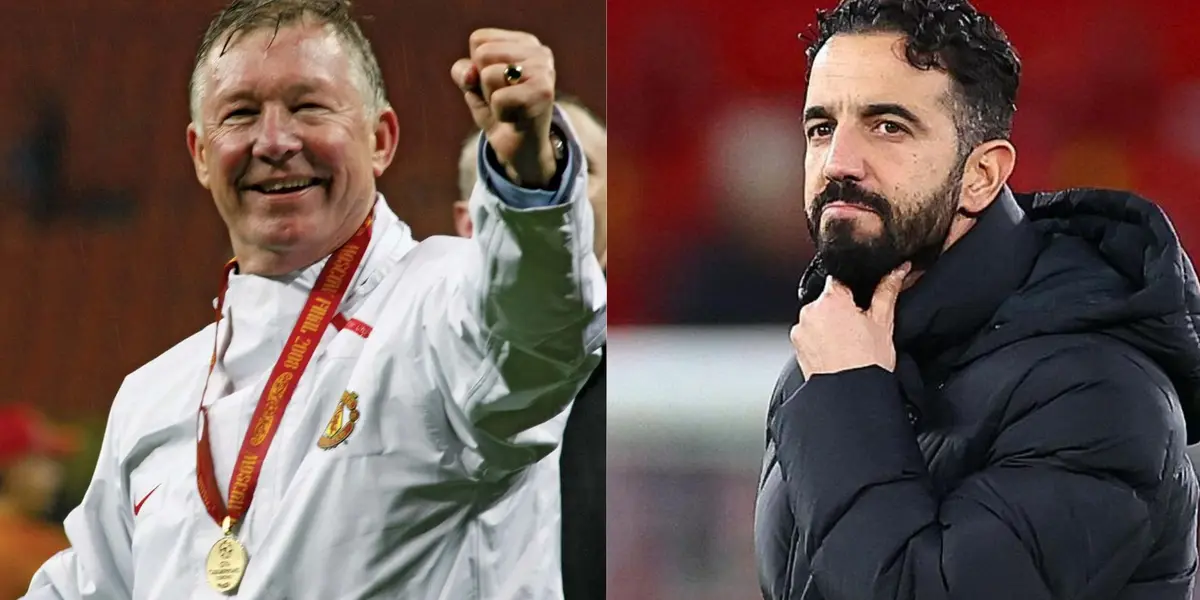
Communication within a football team is a fundamental pillar for achieving success. At Manchester United, a club with a rich history and constant demands, the way managers communicate with their players has been a decisive factor in their performance. Over the years, we have observed how different communication styles have influenced the team's performance, from Sir Alex Ferguson's iron discipline to the more modern approaches of recent managers.
In this analysis, we will explore how communication has been used by Manchester United managers, highlighting both successes and errors. We will focus on the communication styles of iconic figures such as Ferguson, Mourinho, and Amorim, and how these have shaped the team's culture. Additionally, we will examine the role of internal communication between players and its impact on on-field performance.
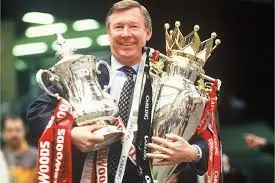
Ferguson's legacy: Communication and discipline as pillars
Sir Alex Ferguson, the most successful manager in Manchester United's history, understood communication as an essential tool for maintaining discipline and motivating his players. His style was characterized by firmness and clarity, conveying his expectations directly and demanding. Ferguson did not hesitate to use constructive criticism to push his players to reach their full potential, but he also knew how to recognize and celebrate their achievements.
Ferguson's non-verbal communication was equally powerful. His presence on the bench and his gestures conveyed authority and determination, exerting considerable influence on the team. Furthermore, Ferguson fostered an environment of open communication, where players felt comfortable expressing their concerns and opinions.
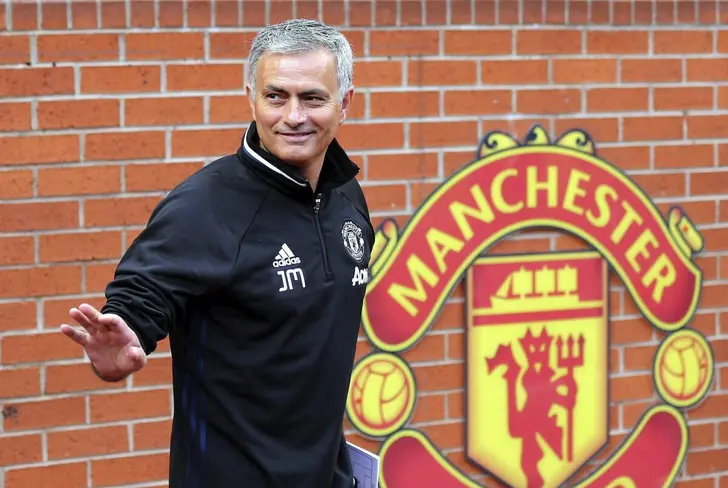
Mourinho and communication as a psychological weapon
José Mourinho, known for his controversial style, used communication as a psychological weapon to generate pressure and manage team dynamics. His press conferences were a stage where he launched strategic messages, both to motivate his players and to destabilize his rivals. Mourinho was not afraid to express his opinions directly and provocatively, which created an environment of intensity and competitiveness.
Inside the locker room, Mourinho maintained close communication with his players, but he also set clear boundaries. His style was based on demands and discipline, seeking to extract maximum performance from each player. However, his approach also generated tensions and conflicts, highlighting the risks of excessively confrontational communication.
The post-Ferguson era: Communication and leadership challenges
Ferguson's departure left a difficult void to fill, and the managers who succeeded him faced considerable challenges in communication and leadership. David Moyes, Louis van Gaal, and Ole Gunnar Solskjær adopted different communication styles, but none managed to replicate Ferguson's success. Moyes was characterized by a more distant approach, while Van Gaal tried to impose his playing philosophy through rigid communication. Solskjær, meanwhile, tried to create a closer and more positive environment, but lacked the authority and experience necessary to handle the pressure.
The lack of effective communication resulted in irregular team performance, highlighting the importance of this factor in sporting success.
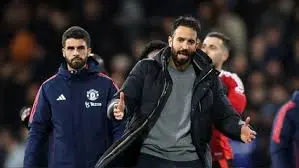
Amorim: Communication and tactics, a new approach
Rúben Amorim, the current Manchester United manager, has implemented a new communication approach, combining tactical clarity with personal closeness. Amorim is characterized by his meticulousness in match preparation, conveying his ideas precisely and in detail to his players. He also fosters an environment of open communication, where players feel comfortable expressing their opinions and suggestions.
Amorim's communication extends beyond the training field. In his press conferences, he appears calm and analytical, explaining his decisions and strategies clearly and concisely. His style conveys confidence and professionalism, generating a positive impact on the team and fans.
Internal communication: The role of key players
Internal communication between players is a crucial factor for team performance. Key players, both on and off the field, play a fundamental role in transmitting messages and team cohesion. Effective communication between players allows them to anticipate movements, coordinate actions, and solve problems during the match.
At Manchester United, players like Bruno Fernandes and Lisandro Martínez have taken on leadership roles in internal communication. Their ability to convey clear and motivating messages has been fundamental to the team's performance.
In conclusion, communication has been a decisive factor in the success of Manchester United managers. From Ferguson's iron discipline to Amorim's tactical approach, each manager has left their mark on the team's culture through their communication style. Effective communication, both on and off the field, is essential for building a cohesive and competitive team.
What you need to know about communication at Manchester United
- Communication as a Pillar: Communication is a fundamental pillar for Manchester United's success.
- Diverse Styles: Different managers have used communication in different ways, with varied results.
- Key Players: Effective communication between players is essential for on-field performance.
- Challenges: The post-Ferguson era has highlighted the challenges of maintaining solid communication.
- New Approach: Rúben Amorim is implementing a new communication approach, focused on tactics.
You may also be interested in

More news
The Numbers Don't Lie: Casemiro's Dominance Returns
31/03/2025
United's Dream Pairing: The Duo Fans Are Eager to See
31/03/2025

Hojlund's Fate: Will He Stay or Leave Man United?
31/03/2025

Højlund's Plummeting Value: A Cause for Concern at Man United
31/03/2025
Giggs' Misjudgement: Depay's Free-Kick Hopes Fall Flat
31/03/2025
Man United's Summer Clearout: Players on the Chopping Block
31/03/2025
Financial Divide: Man United's Value Dwarfs Olympique Lyon's Squad Cost
30/03/2025
Onana Exit Rumors Swirl: How the Goalkeeper Is Responding
30/03/2025
Eriksen breaks the silence about the rumors of not renewing
30/03/2025
World-Class Player Available: Romano Reveals Transfer Bombshell
30/03/2025

Ugarte's Premier League Insight: Key Differences From Ligue 1 Revealed
30/03/2025
Garnacho Outshines Salah and Haaland: A Stunning Statistical Triumph
29/03/2025
Ekitike's Staggering Stats: Why Man United Are Keen
29/03/2025
Beyond Legends: The United Player Who Rewrote Investment History
29/03/2025
Manchester's Goalkeeping Giants: Who Reigns Supreme?
29/03/2025
Fernandes' Fortune: Unveiling the Price Tag of United's Captain
29/03/2025
The Manchester United jewel that was rumoured for Barcelona ended up in an exotic league
29/03/2025
Father's Faith Pays Off: 100 Pound Bet on Son's United Debut
29/03/2025