
Who are the assistant coaches who succeeded as managers in the Premier League?
From bench to glory: Assistant coaches who succeeded as managers in the Premier League
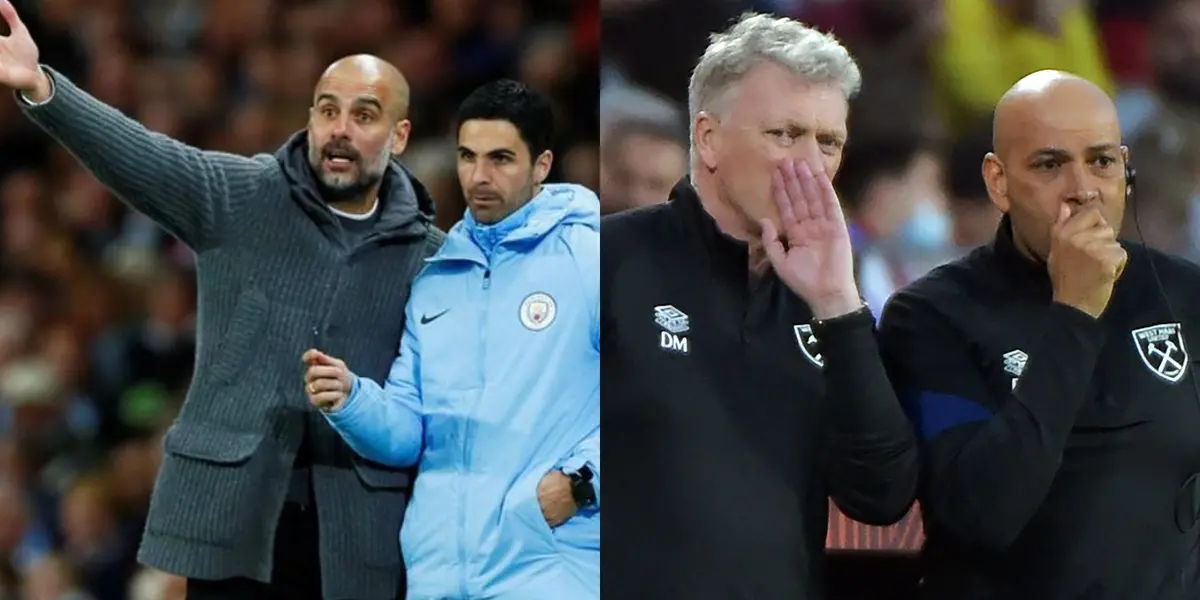
In the realm of professional football, aspiring head coaches often begin their careers as technical assistants, working behind the scenes. These dedicated and knowledgeable individuals play a vital role in strategy development, opponent analysis, and supporting the head coach. Some, however, rise from these supporting roles to become successful leaders in the fiercely competitive Premier League.
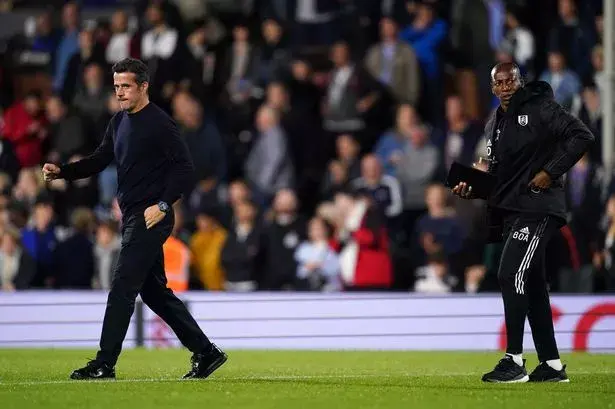
The path to leadership: From assistant to Premier League star
The transition from technical assistant to head coach is a challenging one, demanding a blend of skill, experience, and personality. Successful assistants typically possess excellent communication skills, strategic acumen, and the ability to motivate players. Crucially, they must be adept at learning from mentors and adapting their coaching style to the ever-evolving landscape of modern football.
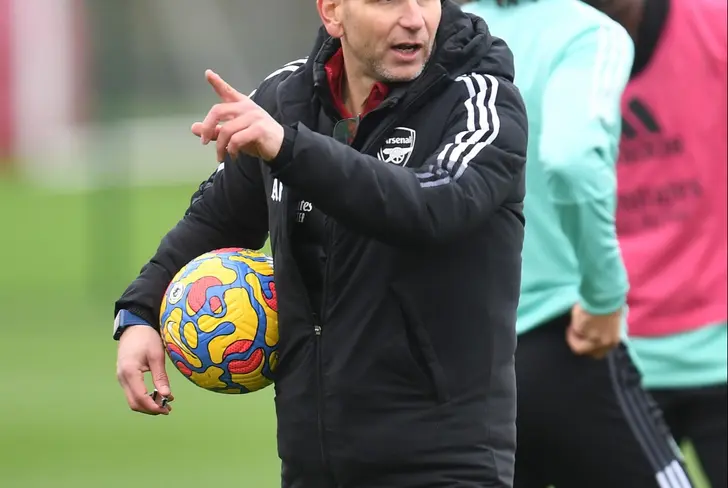
Diverse backgrounds and mentorship
These aspiring leaders come from varied backgrounds. Some have played professionally, while others have risen through the coaching ranks within their clubs. Many have benefited from working under the guidance of experienced coaches who shared their expertise and provided opportunities for professional growth. The influence of these mentors is undeniable, with many successful head coaches citing their time working alongside renowned figures as pivotal in their development. Continuous learning and adaptability are recurring themes in their success stories.
Premier League success stories: Five examples
Here are five examples of technical assistants who transitioned to successful Premier League head coaches:
- Mikel Arteta: Following a successful playing career, Arteta served as Pep Guardiola's assistant at Manchester City, honing his strategic vision and learning the intricacies of top-level coaching. This experience paved the way for his appointment as Arsenal's head coach, where he has achieved notable success.
- David Moyes: A veteran of English football, Moyes' path included a period as an assistant before managing clubs like Everton and Manchester United. His ability to adapt to different club environments and his leadership qualities have been key to his longevity in the Premier League.
- Brendan Rodgers: Known for his tactical prowess and player management skills, Rodgers' career progressed from assistant roles to managing teams like Swansea City and Liverpool. His focus on attractive and effective football has been a hallmark of his coaching career.
- Steve Clarke: With extensive experience in English football, Clarke transitioned from an assistant to managing teams such as West Bromwich Albion and Reading. His focus on developing young talent and fostering a winning culture has earned him respect within the league.
- Eddie Howe: Howe's rise to prominence began with his work at Bournemouth, where he built a competitive team. His strategic thinking and ability to nurture young players have marked him as a promising coach in the Premier League.
The future of coaching: The assistant's role
Experience as a technical assistant can serve as a vital stepping stone to a successful career as a head coach. The knowledge, skills, and relationships cultivated during this period are essential for building a thriving career in football management. Many former assistants have brought fresh ideas and strategies to the forefront, implementing tactical innovations and adapting their systems to maximize their players' potential. Their time as assistants has shaped their leadership styles, with some favoring an offensive approach and others a more defensive one. Regardless of their tactical preferences, they all share a passion for the game and a drive to win.
What you should know about the technical assistants who became star coaches in the Premier League:
- Overcoming Challenges: These individuals demonstrate the potential for career advancement through hard work and dedication.
- Mentorship: The importance of learning from experienced coaches is a recurring theme.
- Adaptability: Successful coaches must be able to adjust to the demands of different teams and situations.
- Legacy: These coaches have made significant contributions to their clubs and the English game.
- Future Leaders: Today's technical assistants may well be the star coaches of tomorrow.
You may also be interested in



More news

The Numbers Don't Lie: Casemiro's Dominance Returns
31/03/2025

United's Dream Pairing: The Duo Fans Are Eager to See
31/03/2025

Hojlund's Fate: Will He Stay or Leave Man United?
31/03/2025

Højlund's Plummeting Value: A Cause for Concern at Man United
31/03/2025

Giggs' Misjudgement: Depay's Free-Kick Hopes Fall Flat
31/03/2025

Man United's Summer Clearout: Players on the Chopping Block
31/03/2025

Financial Divide: Man United's Value Dwarfs Olympique Lyon's Squad Cost
30/03/2025

Onana Exit Rumors Swirl: How the Goalkeeper Is Responding
30/03/2025
Eriksen breaks the silence about the rumors of not renewing
30/03/2025
World-Class Player Available: Romano Reveals Transfer Bombshell
30/03/2025

Ugarte's Premier League Insight: Key Differences From Ligue 1 Revealed
30/03/2025

Garnacho Outshines Salah and Haaland: A Stunning Statistical Triumph
29/03/2025
Ekitike's Staggering Stats: Why Man United Are Keen
29/03/2025

Beyond Legends: The United Player Who Rewrote Investment History
29/03/2025

Manchester's Goalkeeping Giants: Who Reigns Supreme?
29/03/2025

Fernandes' Fortune: Unveiling the Price Tag of United's Captain
29/03/2025

The Manchester United jewel that was rumoured for Barcelona ended up in an exotic league
29/03/2025

Father's Faith Pays Off: 100 Pound Bet on Son's United Debut
29/03/2025