
Which Premier League business model dominates?: Manchester United vs Tottenham Hotspur
Manchester United vs. Tottenham: A clash of business models in the Premier League
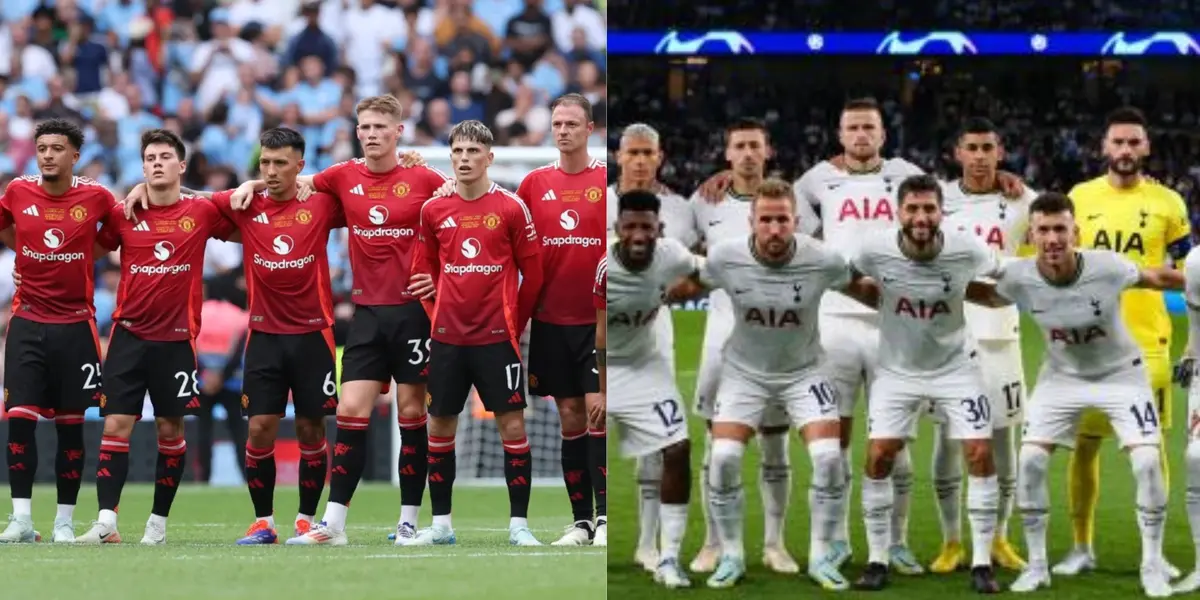
In the heart of the Premier League, two giants of English football, Manchester United and Tottenham Hotspur, deploy diametrically opposed business strategies. While the "Red Devils" are betting on the consolidation of their global brand and investment in stellar signings, the "Spurs" focus on the development of young talent and the optimization of their infrastructures.
We, as specialized analysts, have thoroughly examined the finances, transfer strategies, and digital presence of both clubs, revealing the keys to their success and the challenges they face in the competitive landscape of modern football.

Revenue and sponsorships: Manchester United's global strength
Manchester United holds a privileged position in the commercial sphere, with a portfolio of sponsorships that includes world-renowned brands. Its global marketing strategy, rooted in decades of sporting successes, allows it to generate substantial revenue from television rights, merchandising, and commercial agreements.
In contrast, Tottenham Hotspur, although it has experienced significant growth in recent years, is still in a stage of expanding its brand internationally. Its focus is on establishing strategic alliances with local and regional companies, seeking to consolidate its presence in the British market.

Transfer strategies: Investment vs. talent development
Manchester United has historically been known for its policy of signing big stars, spending millions to attract the best talent in the world. This strategy, while guaranteeing a high competitive level, also implies considerable financial risk.
Tottenham Hotspur, on the other hand, has opted for a more cautious approach, prioritizing the development of young promises and the incorporation of players with growth potential. This strategy, although requiring patience and long-term vision, can generate a significant return on investment.
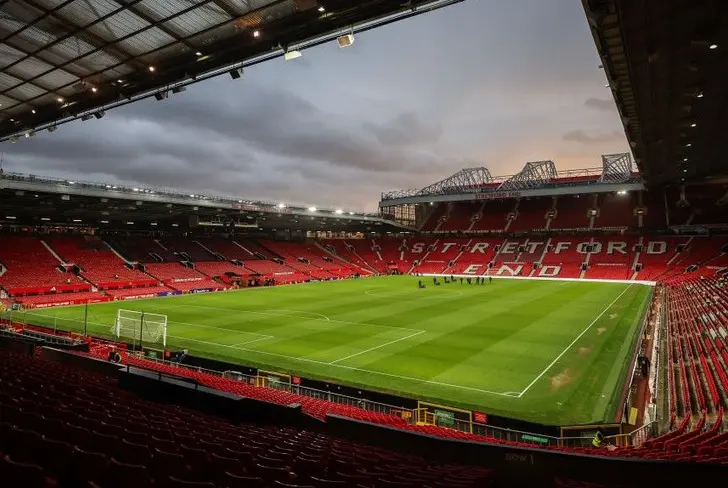
Infrastructures and stadiums: Old Trafford vs. Tottenham Hotspur Stadium
Old Trafford, Manchester United's iconic stadium, is a symbol of the club's greatness, with a capacity of over 74,000 spectators. However, its infrastructure requires constant investment to stay at the forefront of modern stadiums.
Tottenham Hotspur Stadium, opened in 2019, is an architectural gem that combines cutting-edge technology with an unparalleled experience for the fan. Its multifunctional design allows it to host sporting events and large-scale shows, generating additional revenue for the club.
Digital presence and social media: Connecting with global fans
Manchester United has built a massive digital community, with millions of followers on its social media platforms. Its content strategy, focused on fan interaction and brand promotion, allows it to generate a high level of engagement.
Tottenham Hotspur has also invested in its digital presence, creating attractive and relevant content for its audience. However, its global reach is still not comparable to that of Manchester United.
Financial sustainability: Long-term profitability
Manchester United, despite its high revenues, also faces considerable debt, a product of its investments in signings and club management. Long-term profitability will depend on its ability to generate sustainable revenue and control its expenses.
Tottenham Hotspur, with more prudent financial management, has managed to maintain a balance between its revenues and expenses. Its focus on talent development and the optimization of its infrastructures allows it to ensure long-term profitability.
Both clubs have proven to be successful models in English football, each with its own strengths and weaknesses. The choice of the most appropriate business model will depend on the objectives and long-term vision of each club.
In our opinion, Manchester United stands out for its ability to generate massive revenues and its global brand, while Tottenham Hotspur excels in its prudent financial management and its focus on talent development.
What you should know from the comparison:
- Manchester United leads in revenue and sponsorships, but Tottenham Hotspur is closing the gap.
- Manchester United invests heavily in signings, while Tottenham Hotspur focuses on developing young talent.
- Tottenham Hotspur Stadium is more modern, but Old Trafford has a larger capacity.
- Manchester United has a greater global digital presence.
- Tottenham Hotspur has more prudent financial management and less debt.
You may also be interested in


More news

The Numbers Don't Lie: Casemiro's Dominance Returns
31/03/2025

United's Dream Pairing: The Duo Fans Are Eager to See
31/03/2025

Hojlund's Fate: Will He Stay or Leave Man United?
31/03/2025

Højlund's Plummeting Value: A Cause for Concern at Man United
31/03/2025

Giggs' Misjudgement: Depay's Free-Kick Hopes Fall Flat
31/03/2025

Man United's Summer Clearout: Players on the Chopping Block
31/03/2025

Financial Divide: Man United's Value Dwarfs Olympique Lyon's Squad Cost
30/03/2025

Onana Exit Rumors Swirl: How the Goalkeeper Is Responding
30/03/2025
Eriksen breaks the silence about the rumors of not renewing
30/03/2025

World-Class Player Available: Romano Reveals Transfer Bombshell
30/03/2025

Ugarte's Premier League Insight: Key Differences From Ligue 1 Revealed
30/03/2025

Garnacho Outshines Salah and Haaland: A Stunning Statistical Triumph
29/03/2025

Ekitike's Staggering Stats: Why Man United Are Keen
29/03/2025

Beyond Legends: The United Player Who Rewrote Investment History
29/03/2025

Manchester's Goalkeeping Giants: Who Reigns Supreme?
29/03/2025
Fernandes' Fortune: Unveiling the Price Tag of United's Captain
29/03/2025

The Manchester United jewel that was rumoured for Barcelona ended up in an exotic league
29/03/2025

Father's Faith Pays Off: 100 Pound Bet on Son's United Debut
29/03/2025