
Which football business model is more profitable: Manchester United or Bayern Munich?
Manchester United vs. Bayern Munich: An in-depth analysis of two global football giants
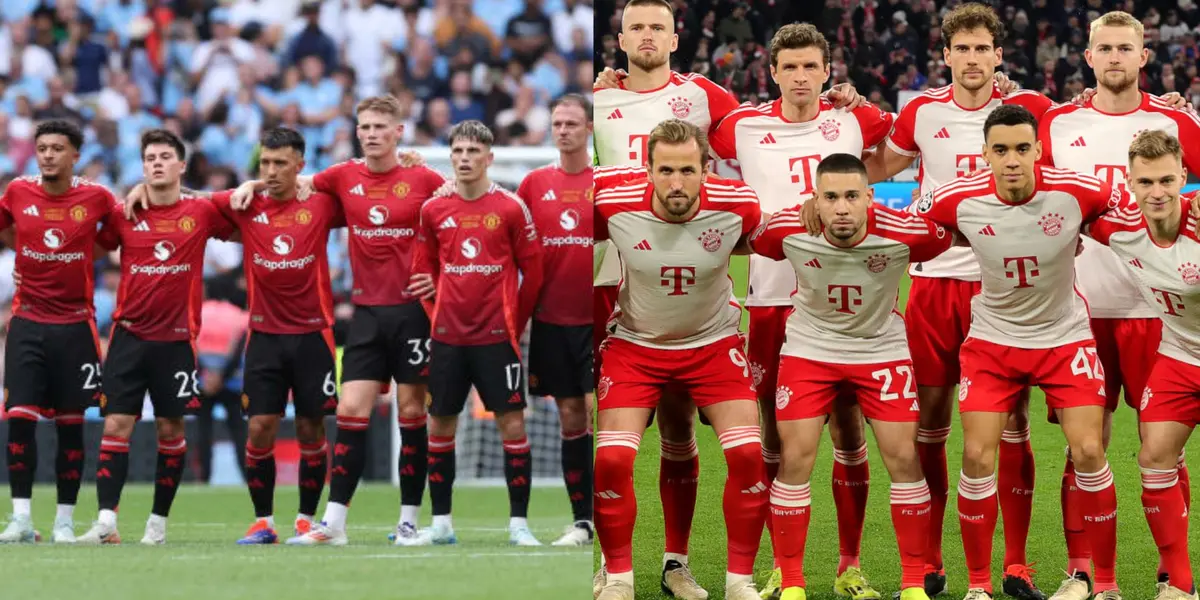
The world of football is a stage where passion and strategy intertwine, and two clubs stand out for their unique business models: Manchester United and Bayern Munich. The former, a global marketing giant, and the latter, an example of intelligent sports management. Both have reached the pinnacle of success, but through different paths. In this article, we will thoroughly explore their business models, analyzing their strengths, weaknesses, and the impact they have on the king of sports.
Revenue and profits: Who leads on the financial field?
Manchester United is a revenue-generating machine. Its brand is recognized in every corner of the planet, which translates into lucrative sponsorships and massive merchandise sales. The club has been able to build a global fan base that follows it unconditionally, boosting its revenue from broadcasting rights and ticket sales. However, this dependence on marketing can generate some volatility in income, since sports performance does not always accompany commercial success.
Bayern Munich, on the other hand, has built its empire on solid sports management. The club focuses on developing young talent, training world-class players, and creating its own style of play. This has allowed it to remain in the elite of European football for decades, generating constant income from competitions and television rights. In addition, Bayern is a club rooted in its community, which provides it with loyal support and a strong identity.

Playing styles and philosophies: Does money buy sporting glory?
Manchester United is characterized by a flashy and offensive style of play, seeking spectacle and entertainment for its fans. The club has signed global stars that attract millions of viewers, but this strategy does not always translate into titles. Sometimes, the focus on marketing and image can overshadow the importance of sports performance.
Bayern Munich, on the other hand, prioritizes collective play and defensive solidity. The club has built a philosophy based on its youth academy and player training, which has allowed it to create a competitive and balanced team. Bayern not only seeks to win, but also cares about how to win, promoting a style of play that is true to its identity and values.
Impact on the fans and the community: A global or local sentiment?
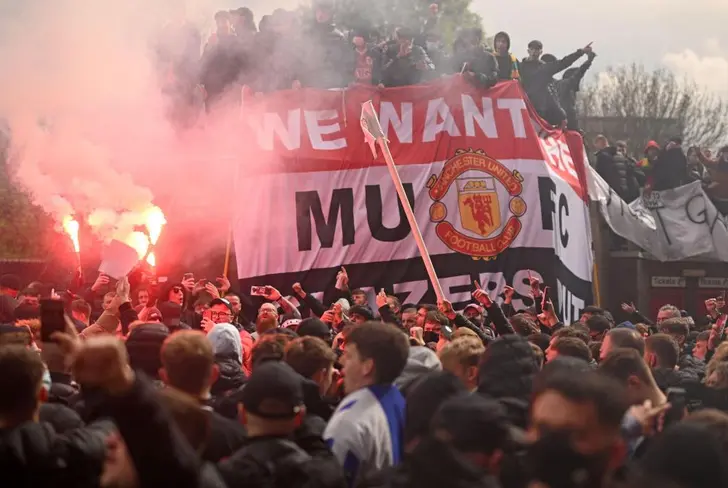
Manchester United is a global phenomenon. Its brand transcends borders and its fan base extends all over the world. The club has been able to connect with its followers through social media and digital platforms, creating a virtual community that shares a passion for the Red Devils. However, this globalization can generate some coldness in the relationship with local fans, who may feel distant from the reality of the club.
Bayern Munich, on the other hand, maintains a strong connection with its local community. The club is proud of its Bavarian roots and cares about the well-being of its members and fans. Bayern is a club that feels close to its people, that listens to them and cares about their needs. This has earned it the affection and respect of the fans, who feel part of a common project.

The future of both Clubs: Where are their strategies aiming?
Manchester United is at a crossroads. The club must decide whether to continue betting on global marketing or seek a greater balance between the commercial and the sporting. The arrival of new owners could bring changes in the club's strategy, but the essence of its business model seems difficult to modify.
Bayern Munich also faces challenges. Football is becoming increasingly globalized and the club must adapt to the new times without losing its identity and values. Bayern has proven to be an intelligent club capable of reinventing itself, so there is no doubt that it will find the way to remain competitive in the future.
There is no clear winner in this comparison. Both clubs have managed to build successful business models, but with different approaches. Manchester United is a global marketing giant, while Bayern Munich is an example of intelligent sports management. The choice of the "best" model depends on the objectives and values of each club. What is clear is that both will continue to be protagonists of world football for many years to come.
What You Should Know About this Comparison
- Contrasting business models: Manchester United: global marketing vs. Bayern Munich: intelligent sports management.
- Revenue and profits: Both clubs generate massive income, but their sources vary.
- Playing styles: Manchester United: spectacle, Bayern Munich: collective play and youth academy.
- Impact on the fans: Manchester United: global brand, Bayern Munich: local roots.
- The future: Both clubs face challenges and opportunities in modern football.
You may also be interested in

More news

The Numbers Don't Lie: Casemiro's Dominance Returns
31/03/2025
United's Dream Pairing: The Duo Fans Are Eager to See
31/03/2025

Hojlund's Fate: Will He Stay or Leave Man United?
31/03/2025
Højlund's Plummeting Value: A Cause for Concern at Man United
31/03/2025
Giggs' Misjudgement: Depay's Free-Kick Hopes Fall Flat
31/03/2025
Man United's Summer Clearout: Players on the Chopping Block
31/03/2025
Financial Divide: Man United's Value Dwarfs Olympique Lyon's Squad Cost
30/03/2025
Onana Exit Rumors Swirl: How the Goalkeeper Is Responding
30/03/2025
Eriksen breaks the silence about the rumors of not renewing
30/03/2025
World-Class Player Available: Romano Reveals Transfer Bombshell
30/03/2025

Ugarte's Premier League Insight: Key Differences From Ligue 1 Revealed
30/03/2025
Garnacho Outshines Salah and Haaland: A Stunning Statistical Triumph
29/03/2025
Ekitike's Staggering Stats: Why Man United Are Keen
29/03/2025
Beyond Legends: The United Player Who Rewrote Investment History
29/03/2025
Manchester's Goalkeeping Giants: Who Reigns Supreme?
29/03/2025
Fernandes' Fortune: Unveiling the Price Tag of United's Captain
29/03/2025
The Manchester United jewel that was rumoured for Barcelona ended up in an exotic league
29/03/2025
Father's Faith Pays Off: 100 Pound Bet on Son's United Debut
29/03/2025