
What is the key difference between the business model of Manchester United and Tottenham Hotspur?
Strategic divergence in Premier League giants: Manchester United and Tottenham Hotspur
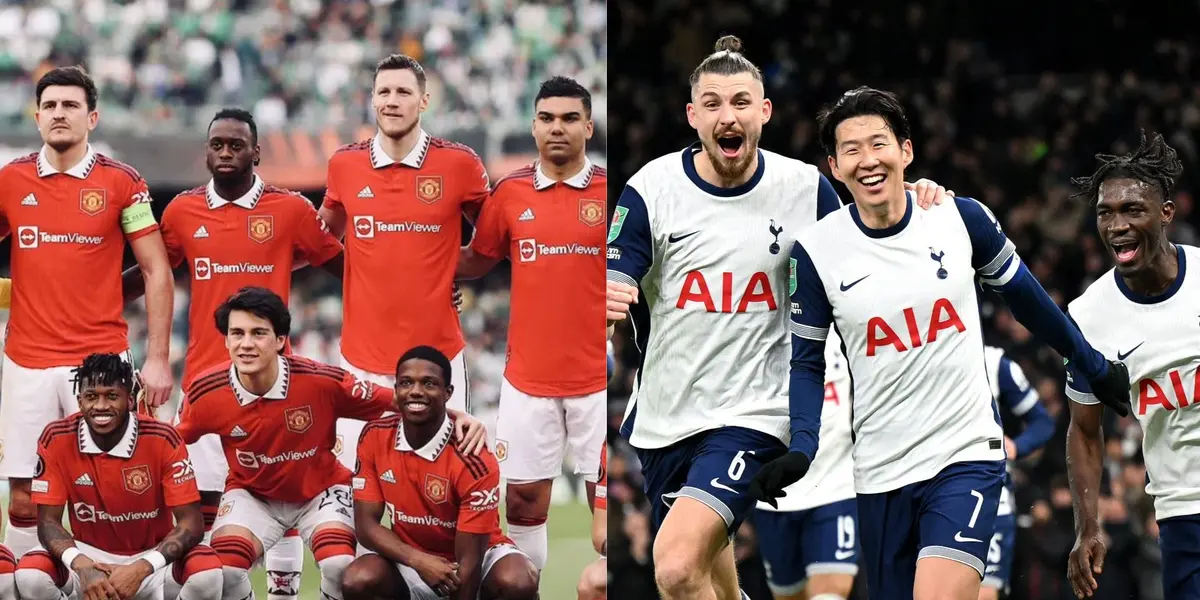
Within the highly competitive landscape of the Premier League, Manchester United and Tottenham Hotspur present contrasting operational models. Manchester United prioritizes global brand expansion and significant player acquisitions, while Tottenham Hotspur emphasizes youth development and infrastructure optimization.
Our detailed analysis, encompassing financial data, transfer policies, and digital engagement, reveals the strategic underpinnings and inherent challenges faced by each club in the contemporary football industry.
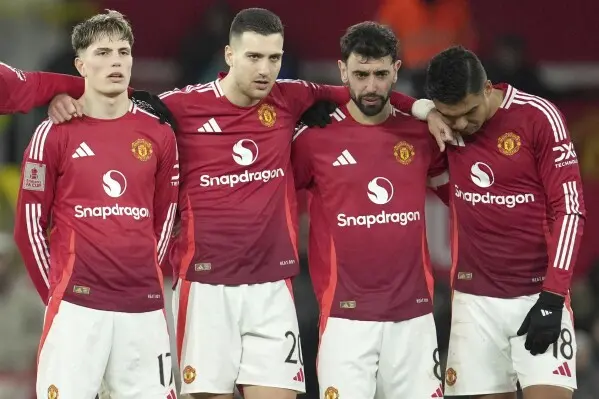
Commercial operations: Global reach vs. regional growth
Manchester United leverages a well-established global brand, securing substantial revenue through extensive sponsorship portfolios featuring prominent international corporations. This revenue stream is further bolstered by lucrative broadcast rights and merchandising agreements, a testament to their long-standing on-field success.
Tottenham Hotspur, although experiencing notable commercial growth, remains focused on expanding its international presence. Its strategy centers on cultivating strategic partnerships with regional and domestic entities, aiming to solidify its market share within the UK.
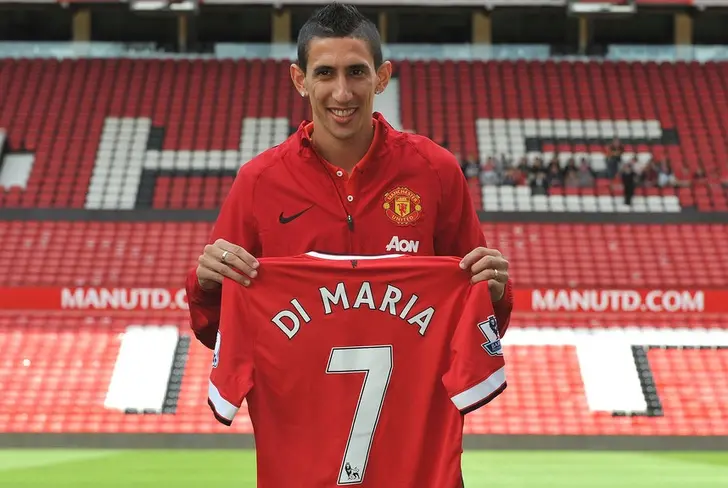
Player acquisition: Expenditure vs. development
Manchester United's historical approach involves substantial investment in established star players, a strategy designed to maintain a high level of competitive performance. However, this approach carries considerable financial risk.
Conversely, Tottenham Hotspur adopts a more measured approach, prioritizing the development of promising young players and acquiring talent with significant growth potential. This strategy, while requiring a long-term perspective, offers potential for substantial return on investment.
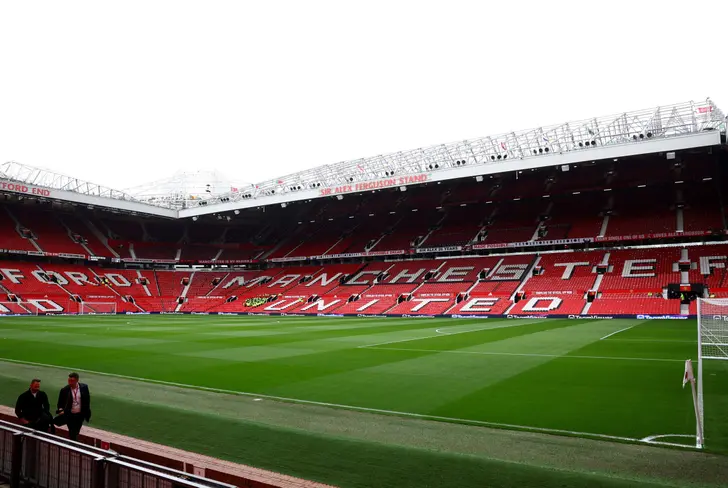
Infrastructure: Legacy vs. innovation
Old Trafford, Manchester United's iconic stadium, maintains a significant capacity, but requires ongoing investment to ensure its facilities remain competitive within modern standards.
Tottenham Hotspur Stadium, a recently constructed facility, incorporates advanced technology and a multi-functional design, allowing for the hosting of diverse events and generating supplementary revenue streams.
Digital engagement: Global community vs. targeted outreach
Manchester United has cultivated a large-scale digital community, achieving high engagement through targeted content strategies and brand promotion across various social media platforms.
Tottenham Hotspur has also invested in digital initiatives, creating engaging content for its audience. However, its global digital footprint remains less extensive compared to Manchester United.
Financial sustainability: Debt management vs. balanced expenditure
Despite its substantial revenue, Manchester United faces significant debt obligations, primarily due to player transfer investments and operational expenses. Long-term financial stability will depend on effective debt management and sustainable revenue generation.
Tottenham Hotspur, with a more conservative financial approach, maintains a balance between revenue and expenditure. Its focus on talent development and infrastructural efficiency contributes to long-term financial viability.
Both clubs represent viable operational models within the Premier League, each with distinct strengths and weaknesses. The optimal strategy depends on each club’s long-term objectives and strategic vision.
From our assessment, Manchester United distinguishes itself through its revenue generation and global brand recognition, while Tottenham Hotspur demonstrates strength in financial prudence and talent development.
What you should know from the comparison:
- Revenue: Manchester United leads in revenue and sponsorships, but Tottenham Hotspur is narrowing the gap.
- Transfers: Manchester United emphasizes high-value acquisitions, while Tottenham Hotspur prioritizes youth development.
- Stadiums: Tottenham Hotspur Stadium is a modern, multi-functional facility, while Old Trafford offers greater capacity.
- Digital Reach: Manchester United possesses a more extensive global digital presence.
- Financial Management: Tottenham Hotspur exhibits more prudent financial management and lower debt levels.
You may also be interested in



More news

The Numbers Don't Lie: Casemiro's Dominance Returns
31/03/2025

United's Dream Pairing: The Duo Fans Are Eager to See
31/03/2025

Hojlund's Fate: Will He Stay or Leave Man United?
31/03/2025

Højlund's Plummeting Value: A Cause for Concern at Man United
31/03/2025

Giggs' Misjudgement: Depay's Free-Kick Hopes Fall Flat
31/03/2025

Man United's Summer Clearout: Players on the Chopping Block
31/03/2025

Financial Divide: Man United's Value Dwarfs Olympique Lyon's Squad Cost
30/03/2025

Onana Exit Rumors Swirl: How the Goalkeeper Is Responding
30/03/2025
Eriksen breaks the silence about the rumors of not renewing
30/03/2025

World-Class Player Available: Romano Reveals Transfer Bombshell
30/03/2025

Ugarte's Premier League Insight: Key Differences From Ligue 1 Revealed
30/03/2025

Garnacho Outshines Salah and Haaland: A Stunning Statistical Triumph
29/03/2025

Ekitike's Staggering Stats: Why Man United Are Keen
29/03/2025

Beyond Legends: The United Player Who Rewrote Investment History
29/03/2025

Manchester's Goalkeeping Giants: Who Reigns Supreme?
29/03/2025

Fernandes' Fortune: Unveiling the Price Tag of United's Captain
29/03/2025

The Manchester United jewel that was rumoured for Barcelona ended up in an exotic league
29/03/2025

Father's Faith Pays Off: 100 Pound Bet on Son's United Debut
29/03/2025