
What do Manchester United investors expect?: Financial profitability vs. Social return
Manchester United: A financial giant under investors' scrutiny
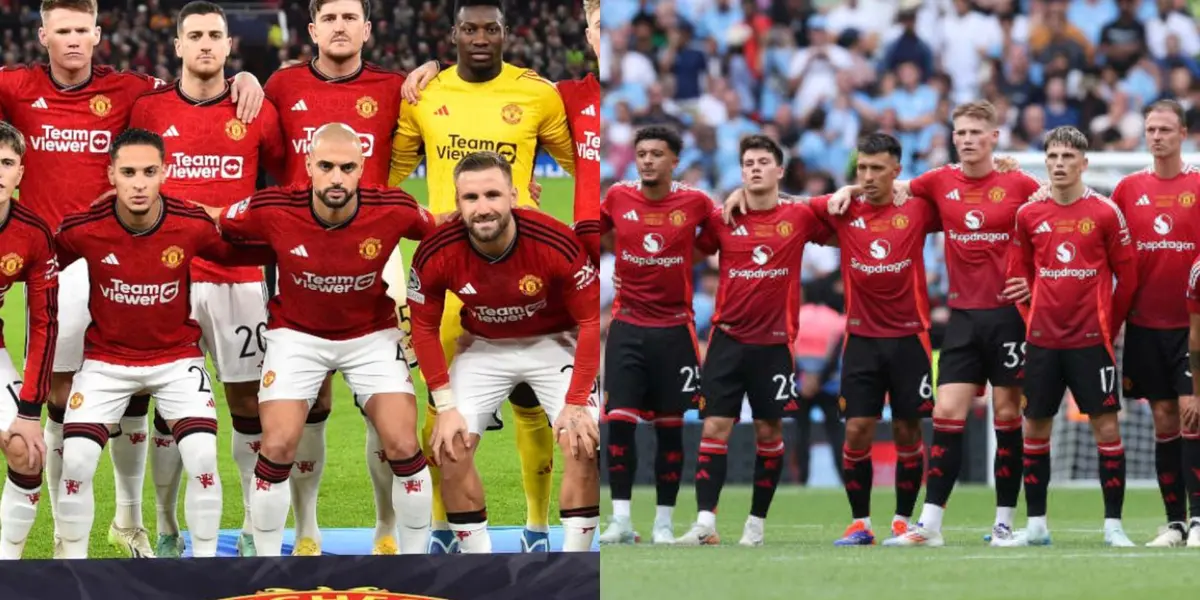
Manchester United, a global football colossus, is at the center of attention for investors seeking both financial profitability and social impact. The club's acquisition by new owners has generated a whirlwind of expectations, where the balance between sporting success and economic performance has become the core of discussions.
Investors' eyes are on the club's ability to capitalize on its global brand, optimize its revenues, and simultaneously generate a positive social return. In an increasingly competitive football landscape, Manchester United faces the challenge of proving that it can be a profitable project and, in turn, an agent of change in the community.
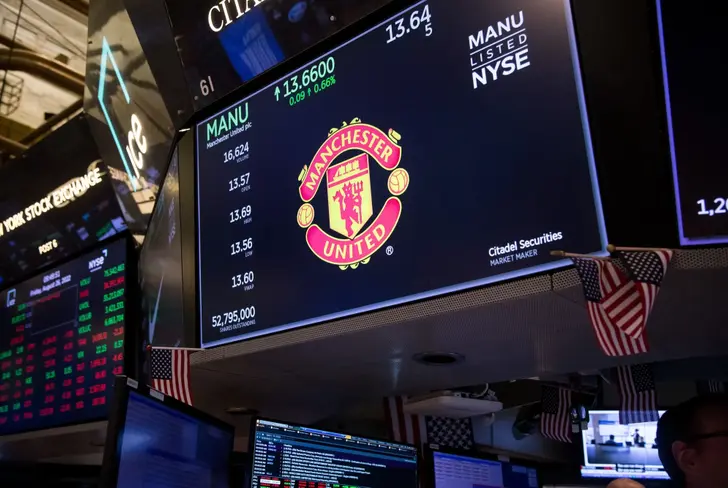
The financial appeal of Manchester United: An in-depth analysis
Manchester United, with its rich history and global fan base, represents a unique investment opportunity. Investors meticulously analyze the club's financial statements, assessing its ability to generate revenue through broadcasting rights, sponsorships, and player sales.
The club's profitability is driven by its sporting success, which translates into higher competition revenues and greater brand exposure. Additionally, efficient cost management and investment in talent development are key factors in maximizing return on investment.
Beyond the balance sheet: Social return as added value
Today, investors are not only looking for economic benefits, but also a positive social impact. Manchester United, with its global reach, has the ability to influence the lives of millions of people. The club's corporate social responsibility programs, which promote inclusion and community development, are an increasingly important factor in the investment decision.
Association with a brand like Manchester United carries an intangible value: reputation. Investors recognize the power of the brand to generate a positive impact on society, which translates into added value to the investment.
Keys to investment: Risk, opportunity, and data
Investing in Manchester United involves assessing both risks and opportunities. The volatility of the sports market and economic uncertainty are factors to consider. However, the club's growth potential and ability to adapt to changes offer attractive investment opportunities.
Diversification of the investment portfolio and data analysis are fundamental tools for making informed decisions. Investors use financial and social metrics to assess the club's performance and its impact on society.
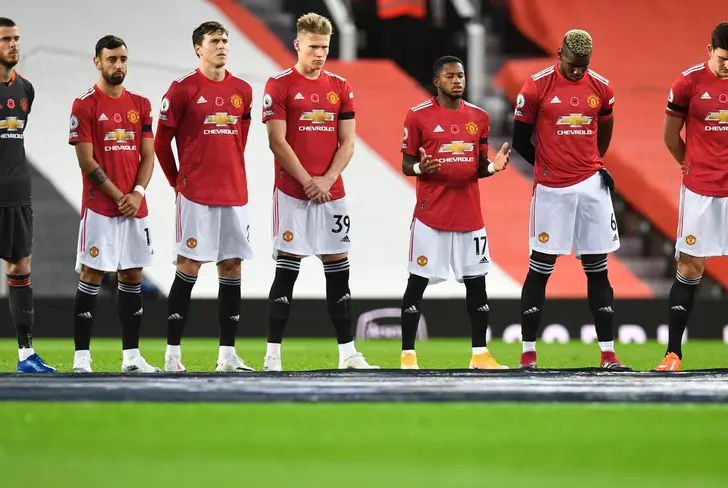
The future of football investment: The Manchester United model
The football landscape is constantly evolving, with new trends and challenges. The growth of women's football, the expansion of eSports, and the use of technology are transforming the industry. Manchester United, as a leader in the sector, must adapt to these changes to maintain its competitiveness.
Sustainability and ethical commitment are increasingly relevant aspects for investors. Manchester United, with its ability to generate a positive impact on society, can become a sustainable investment model in the world of football.
Manchester United is at a crucial moment, where the balance between financial profitability and social return is fundamental. Investors are looking for a project that not only generates economic benefits, but also contributes to the well-being of the community. The club's ability to adapt to changes and maintain its competitiveness will be decisive for its long-term success.
What you should know about investing in Manchester United:
- Manchester United is a global brand with great growth potential.
- Investment profitability depends on financial and sporting factors.
- Social return is an increasingly important aspect for investors.
- It is essential to assess risk and opportunity before investing.
- The future of football investment lies in sustainability and adaptation to change.
You may also be interested in


More news

The Numbers Don't Lie: Casemiro's Dominance Returns
31/03/2025
United's Dream Pairing: The Duo Fans Are Eager to See
31/03/2025

Hojlund's Fate: Will He Stay or Leave Man United?
31/03/2025
Højlund's Plummeting Value: A Cause for Concern at Man United
31/03/2025
Giggs' Misjudgement: Depay's Free-Kick Hopes Fall Flat
31/03/2025
Man United's Summer Clearout: Players on the Chopping Block
31/03/2025

Financial Divide: Man United's Value Dwarfs Olympique Lyon's Squad Cost
30/03/2025
Onana Exit Rumors Swirl: How the Goalkeeper Is Responding
30/03/2025
Eriksen breaks the silence about the rumors of not renewing
30/03/2025

World-Class Player Available: Romano Reveals Transfer Bombshell
30/03/2025

Ugarte's Premier League Insight: Key Differences From Ligue 1 Revealed
30/03/2025
Garnacho Outshines Salah and Haaland: A Stunning Statistical Triumph
29/03/2025
Ekitike's Staggering Stats: Why Man United Are Keen
29/03/2025
Beyond Legends: The United Player Who Rewrote Investment History
29/03/2025
Manchester's Goalkeeping Giants: Who Reigns Supreme?
29/03/2025
Fernandes' Fortune: Unveiling the Price Tag of United's Captain
29/03/2025
The Manchester United jewel that was rumoured for Barcelona ended up in an exotic league
29/03/2025
Father's Faith Pays Off: 100 Pound Bet on Son's United Debut
29/03/2025