
"We told each other some truths" Varane reveals heated argument with Ten Hag and serious consequences
The Frenchman never regained his form and ended up retiring from football.
By Axel Reyes
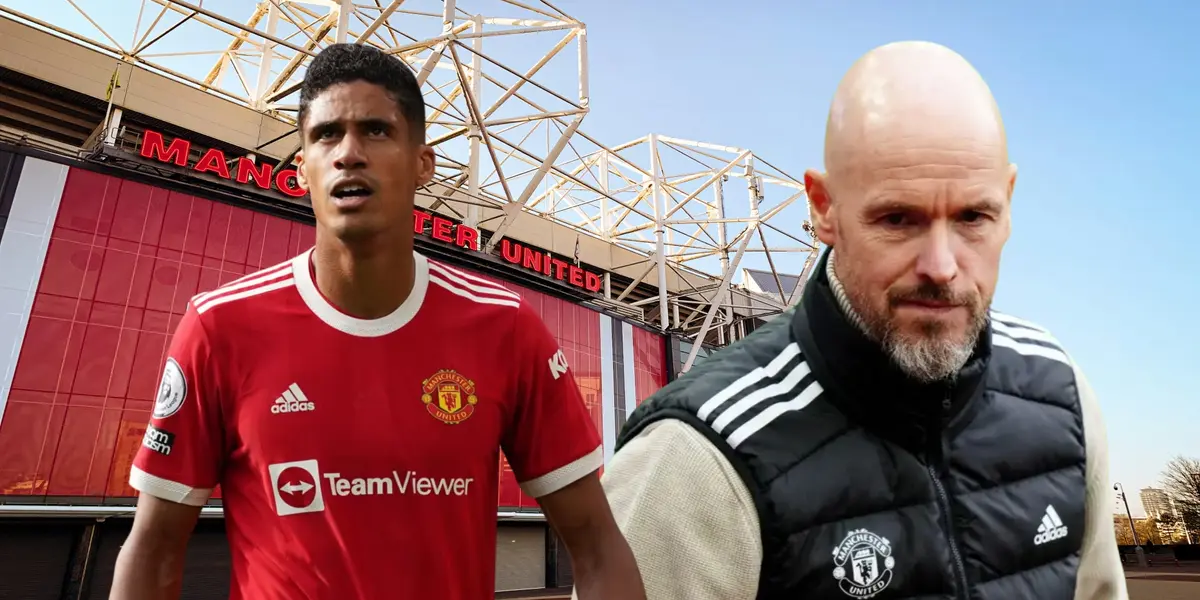
Raphael Varane, the former Manchester United defender, has shed light on a tense period in his relationship with then-manager Erik ten Hag, revealing a heated discussion that took place between October and December 2023.
"We had a frank exchange of views," Varane disclosed. "We told each other some truths, but then I didn't play for almost two months. I said I didn't agree with certain ways of doing things regarding the relationship between him and the team. It was something I thought was good for the team because some players were not at all satisfied. It was not good in terms of the relationship with the coach. He said, 'Okay, I understand what you said,' and after that, I didn't play."
A Breakdown in Communication
Varane's comments paint a picture of a breakdown in communication between himself and ten Hag. The defender felt compelled to voice his concerns about the manager's approach to team dynamics and player relationships, a move that ultimately led to his exclusion from the starting lineup.
It appears that Varane's attempt to address these issues was not well-received by ten Hag, who responded by sidelining the experienced defender for an extended period. This suggests a clash of personalities and a difference in opinion regarding team management.
Unhappy Players
Varane's revelation that "some players were not at all satisfied" hints at wider discontent within the Manchester United squad during ten Hag's tenure. While it's common for players to have disagreements with their manager, the fact that Varane felt the need to raise these concerns suggests that the situation was more serious.
It's possible that ten Hag's methods, while perhaps effective in some respects, were not universally accepted by the players. This could have contributed to the inconsistencies and challenges that Manchester United faced during that period.
A Damaged Relationship
Varane's comments suggest that the incident had a lasting impact on his relationship with ten Hag. Despite the manager's initial acknowledgment of his concerns, the subsequent lack of playing time indicates that the relationship had soured.
This is perhaps unsurprising, as it's never easy for a player to be excluded from the team after voicing their opinions. However, it highlights the importance of open and honest communication between managers and players, as well as the need for mutual respect and understanding.
A Period of Transition
It's important to remember that this incident occurred during a period of significant transition at Manchester United. Ten Hag was still relatively new to the club, and the team was undergoing significant changes in terms of personnel and playing style.
In such circumstances, it's not uncommon for tensions to arise as players and managers adjust to new ways of working. However, the way in which these issues are handled can have a significant impact on team morale and performance.
Lessons Learned
Varane's revelations offer valuable insights into the dynamics between players and managers in professional football. They highlight the importance of open communication, mutual respect, and a willingness to address concerns in a constructive manner.
While clashes and disagreements are inevitable in any team environment, it's how these issues are resolved that ultimately determines the success or failure of a team. In this case, it appears that the communication breakdown between Varane and ten Hag had negative consequences for both the player and the team.
Moving Forward
With ten Hag no longer at Manchester United, it's likely that both he and Varane have moved on from this incident. However, the lessons learned from this experience can be valuable for future managers and players alike.
The importance of fostering a positive and open environment, where players feel comfortable expressing their concerns, cannot be overstated. Similarly, managers must be willing to listen to feedback and adapt their approach when necessary.
You may also be interested in
More news
The Numbers Don't Lie: Casemiro's Dominance Returns
31/03/2025
United's Dream Pairing: The Duo Fans Are Eager to See
31/03/2025
Hojlund's Fate: Will He Stay or Leave Man United?
31/03/2025
Højlund's Plummeting Value: A Cause for Concern at Man United
31/03/2025
Giggs' Misjudgement: Depay's Free-Kick Hopes Fall Flat
31/03/2025
Man United's Summer Clearout: Players on the Chopping Block
31/03/2025
Financial Divide: Man United's Value Dwarfs Olympique Lyon's Squad Cost
30/03/2025
Onana Exit Rumors Swirl: How the Goalkeeper Is Responding
30/03/2025
Eriksen breaks the silence about the rumors of not renewing
30/03/2025
World-Class Player Available: Romano Reveals Transfer Bombshell
30/03/2025
Ugarte's Premier League Insight: Key Differences From Ligue 1 Revealed
30/03/2025
Garnacho Outshines Salah and Haaland: A Stunning Statistical Triumph
29/03/2025
Ekitike's Staggering Stats: Why Man United Are Keen
29/03/2025
Beyond Legends: The United Player Who Rewrote Investment History
29/03/2025
Manchester's Goalkeeping Giants: Who Reigns Supreme?
29/03/2025
Fernandes' Fortune: Unveiling the Price Tag of United's Captain
29/03/2025
The Manchester United jewel that was rumoured for Barcelona ended up in an exotic league
29/03/2025
Father's Faith Pays Off: 100 Pound Bet on Son's United Debut
29/03/2025