
How have data analysts revolutionized modern football? The case of Manchester United
Manchester United and the data revolution: How analytics transformed the english giant
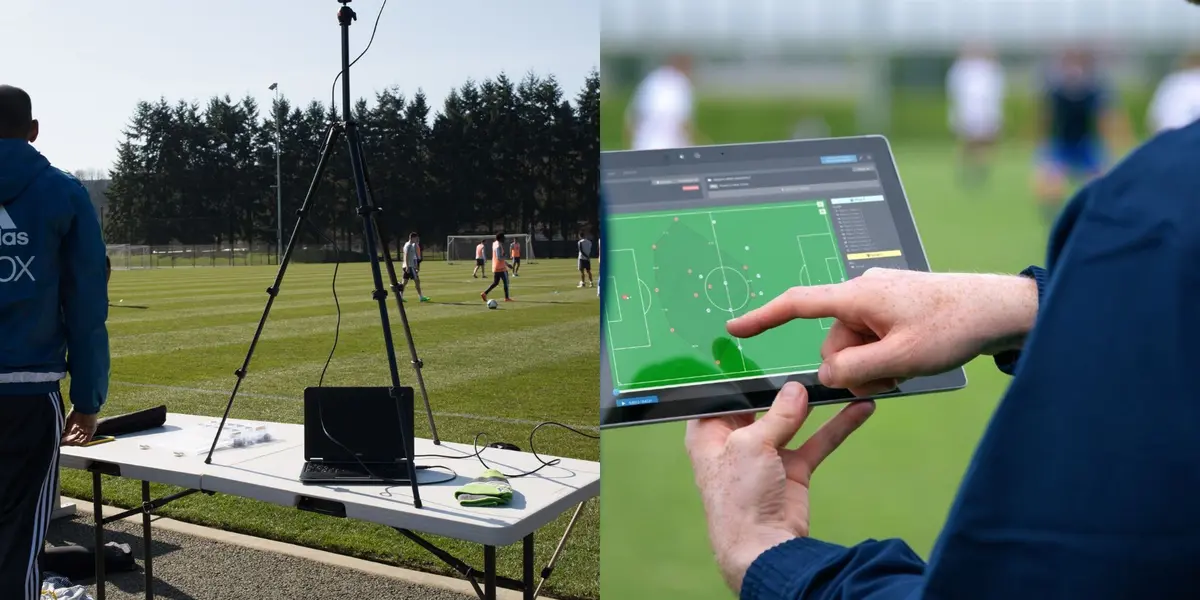
In the world of football, where passion and tradition are intertwined with strategy and tactics, a new force is emerging that is revolutionizing the way this sport is played and managed: data analytics. Manchester United, one of the most emblematic and followed clubs on the planet, has enthusiastically adopted this tool, becoming an example of how data can drive success in modern football.
Since its inception, football has been a game of instinct and skill. However, today, data has become an indispensable ally for coaches, players, and managers. Manchester United, aware of this transformation, has invested in a team of highly trained data analysts who work tirelessly to extract valuable information from mountains of data and turn it into useful knowledge for decision-making.

The impact of data on sports performance
Data has burst onto the field to optimize the performance of footballers. Analysts collect and process data on each player, from their speed and passing accuracy to their recovery capacity and physical endurance. This information allows coaches to design personalized training programs that maximize the potential of each player and prevent injuries.
But data analytics is not limited to individual training. It is also used to analyze the game of the team as a whole, identifying patterns and trends that can be used to develop more effective strategies and tactics. Analysts study the performance of rivals, their strengths and weaknesses, to design game plans that exploit their vulnerabilities and maximize scoring opportunities.

Beyond the field: The impact on club management
The influence of data extends far beyond the playing field. At Manchester United, data analytics has become a fundamental tool for the management of the club as a whole. Data plays a crucial role in the identification and selection of new talents, optimizing signing decisions and reducing the risk of hiring players who do not fit the team's style of play.
Data analytics is also used to manage existing talent in the club. Analysts identify young promises and design personalized training programs to ensure the future of the team. In addition, data is used to better understand fans, personalize communication, and improve the match experience, from ticket sales to the creation of exclusive content for fans.

The future of data analytics in football
Data analytics in football is constantly evolving. Artificial intelligence and machine learning are revolutionizing the way data is analyzed, allowing analysts to identify even more complex patterns and trends. In the future, data will allow for even greater personalization of training, game strategies, and fan experience.
Data analytics is also opening up new opportunities for innovation in football. Clubs are using data to develop new technologies and tools that improve player performance, coach decision-making, and fan experience. Manchester United, always at the forefront of innovation, is exploring new ways to use data to stay at the top of world football.
In short, data analytics has become an essential tool for modern football. Manchester United has embraced this technology with enthusiasm, becoming an example of how data can drive success in the sport. From improving player performance to optimizing club management, data analytics is transforming football and opening up new opportunities for innovation and growth.
What you should know about data analytics in football!
- Personalization: Data allows for the personalization of training, game strategies, and fan experience.
- Prediction: Data can be used to predict player performance and match results.
- Prevention: Data helps prevent injuries and optimize player recovery.
- Discovery: Data can be used to discover new talents and market opportunities.
- Communication: Data allows for more effective communication between coaches, players, and managers.
You may also be interested in




More news

The Numbers Don't Lie: Casemiro's Dominance Returns
31/03/2025

United's Dream Pairing: The Duo Fans Are Eager to See
31/03/2025

Hojlund's Fate: Will He Stay or Leave Man United?
31/03/2025

Højlund's Plummeting Value: A Cause for Concern at Man United
31/03/2025

Giggs' Misjudgement: Depay's Free-Kick Hopes Fall Flat
31/03/2025

Man United's Summer Clearout: Players on the Chopping Block
31/03/2025

Financial Divide: Man United's Value Dwarfs Olympique Lyon's Squad Cost
30/03/2025

Onana Exit Rumors Swirl: How the Goalkeeper Is Responding
30/03/2025

Eriksen breaks the silence about the rumors of not renewing
30/03/2025

World-Class Player Available: Romano Reveals Transfer Bombshell
30/03/2025

Ugarte's Premier League Insight: Key Differences From Ligue 1 Revealed
30/03/2025

Garnacho Outshines Salah and Haaland: A Stunning Statistical Triumph
29/03/2025

Ekitike's Staggering Stats: Why Man United Are Keen
29/03/2025

Beyond Legends: The United Player Who Rewrote Investment History
29/03/2025

Manchester's Goalkeeping Giants: Who Reigns Supreme?
29/03/2025

Fernandes' Fortune: Unveiling the Price Tag of United's Captain
29/03/2025

The Manchester United jewel that was rumoured for Barcelona ended up in an exotic league
29/03/2025

Father's Faith Pays Off: 100 Pound Bet on Son's United Debut
29/03/2025