
How does the global economy impact Manchester United Football Club?
The game in the balance: Global economy and its impact on Manchester United
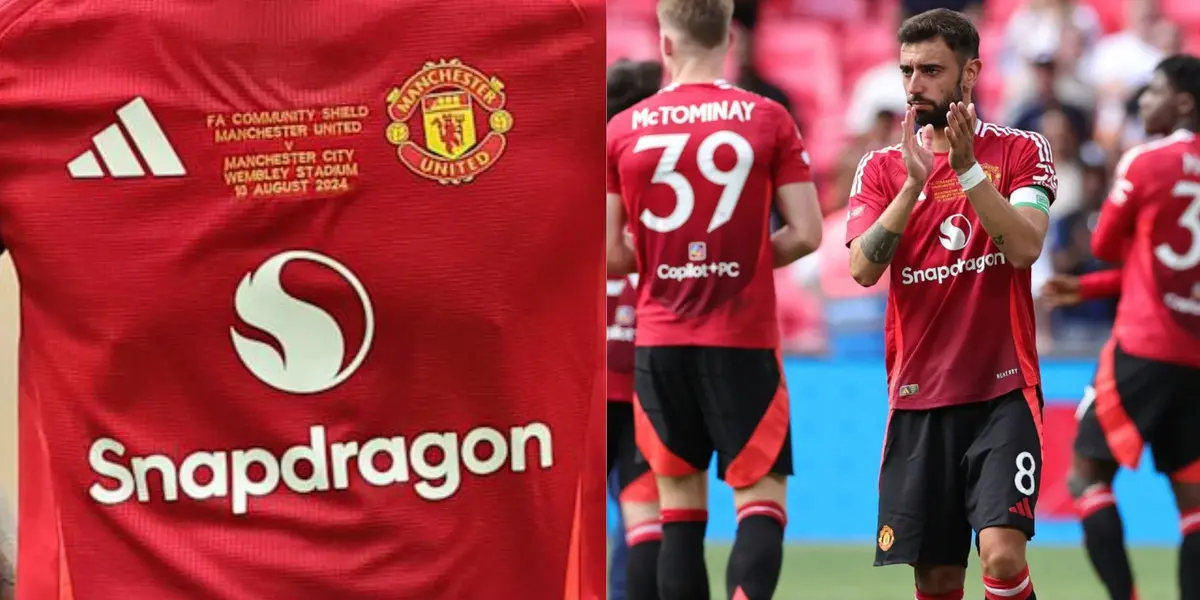
The global economy, with its fluctuations and trends, exerts an undeniable influence on the world of football. Clubs, as complex financial entities, are not immune to the market's ups and downs. In particular, Manchester United, one of the giants of the king of sports, feels the weight of this economic reality in every aspect of its operation.
From multi-million dollar signings to sponsorship deals, global financial health determines the club's ability to compete at the highest level. Inflation, interest rates, and political instability are just some of the factors shaping the economic landscape in which modern football operates.
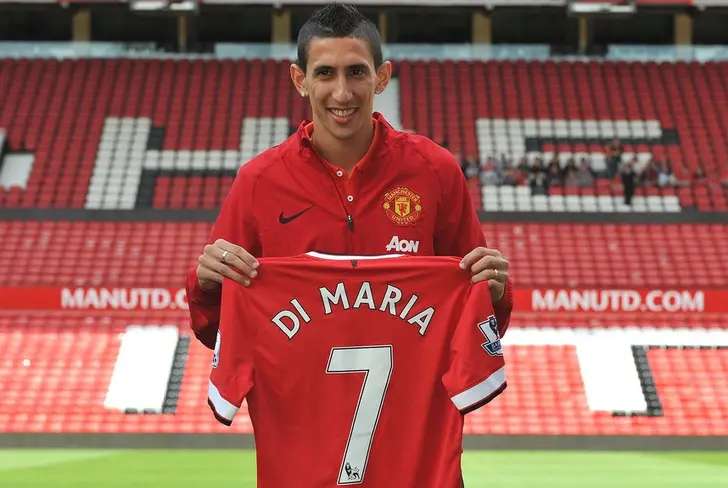
Inflation and the transfer market: A duel of millions
Inflation, an economic phenomenon that affects all sectors, has raised transfer costs to stratospheric levels. Clubs, including Manchester United, are forced to invest ever-increasing sums to acquire talent. The transfer market has become a financial battleground, where spending capacity determines sporting success.
This situation poses challenges for the financial management of clubs. The need to balance investment in players with economic sustainability has become more pressing than ever. Clubs must seek innovative strategies to maximize the value of their investments and ensure their long-term competitiveness.
Television rights and sponsorships: The financial pulse of football
Television rights and sponsorships represent a crucial source of revenue for football clubs. However, these agreements are directly linked to global economic health. The reduction in advertising spending by companies, for example, can affect club sponsorships. Diversifying revenue streams is key to financial stability.
In this context, clubs must seek strategic sponsorship agreements and diversify their revenue streams. The ability to adapt to market changes and identify new business opportunities is essential to ensure financial sustainability.
Manchester United under the microscope: Debt, performance, and the economy
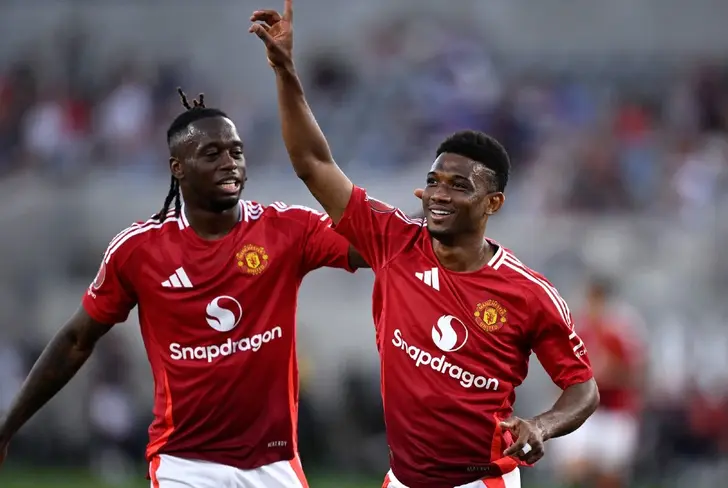
Manchester United's debt, like that of many other clubs, is a subject of constant debate. Currency fluctuations and interest rates can affect the value of this debt, creating financial uncertainty. Prudent financial management is essential to maintain competitiveness.
The club's sporting performance is also influenced by the global economy. The ability to invest in quality players and maintain a competitive squad depends on the club's financial health. In times of economic uncertainty, efficient resource management becomes even more crucial.
Foreign investment and ownership: Changes in the football landscape
Foreign investment in football clubs has transformed the landscape of the king of sports. However, this investment is subject to global economic conditions. Political and economic instability can deter potential investors, creating market uncertainty. The origin and stability of investors are crucial factors.
Clubs must carefully evaluate potential investors and ensure that their objectives are aligned with the club's long-term vision. Transparency and open communication are essential to build strong relationships with investors and ensure financial stability.
The future of football: Adaptation and resilience in the globalized era
Football, like any other industry, must adapt to economic changes to ensure its long-term sustainability. The implementation of innovative business models and efficient resource management are essential to meet the challenges of the globalized era. The ability to anticipate and respond to economic challenges will be decisive.
Clubs must invest in technology and data analysis to optimize their operations and make informed decisions. The training of young talent and the diversification of revenue streams are key strategies to ensure long-term financial sustainability.
In conclusion, the global economy exerts a profound influence on football and Manchester United in particular. From multi-million dollar signings to sponsorship deals, global financial health determines the club's ability to compete at the highest level. Adaptation, resilience, and prudent financial management are key to ensuring success in the globalized era.
What you should know about the influence of the global economy on football and Manchester United:
- Inflation raises the costs of signings and salaries, impacting the ability of clubs to acquire talent.
- Television rights and sponsorships are linked to global economic health, requiring revenue diversification.
- The club's debt and sporting performance are intertwined with the economy, requiring prudent management.
- Foreign investments depend on economic and political stability, demanding careful evaluation.
- Adaptation and resilience are key to the future of football in the globalized era, driving innovative models.
You may also be interested in

More news
The Numbers Don't Lie: Casemiro's Dominance Returns
31/03/2025
United's Dream Pairing: The Duo Fans Are Eager to See
31/03/2025

Hojlund's Fate: Will He Stay or Leave Man United?
31/03/2025
Højlund's Plummeting Value: A Cause for Concern at Man United
31/03/2025
Giggs' Misjudgement: Depay's Free-Kick Hopes Fall Flat
31/03/2025
Man United's Summer Clearout: Players on the Chopping Block
31/03/2025
Financial Divide: Man United's Value Dwarfs Olympique Lyon's Squad Cost
30/03/2025

Onana Exit Rumors Swirl: How the Goalkeeper Is Responding
30/03/2025
Eriksen breaks the silence about the rumors of not renewing
30/03/2025
World-Class Player Available: Romano Reveals Transfer Bombshell
30/03/2025

Ugarte's Premier League Insight: Key Differences From Ligue 1 Revealed
30/03/2025
Garnacho Outshines Salah and Haaland: A Stunning Statistical Triumph
29/03/2025
Ekitike's Staggering Stats: Why Man United Are Keen
29/03/2025
Beyond Legends: The United Player Who Rewrote Investment History
29/03/2025
Manchester's Goalkeeping Giants: Who Reigns Supreme?
29/03/2025
Fernandes' Fortune: Unveiling the Price Tag of United's Captain
29/03/2025
The Manchester United jewel that was rumoured for Barcelona ended up in an exotic league
29/03/2025
Father's Faith Pays Off: 100 Pound Bet on Son's United Debut
29/03/2025