
How does performance analysis drive Manchester United's success in modern football?
The performance analyst: Silent architect of success at Manchester United
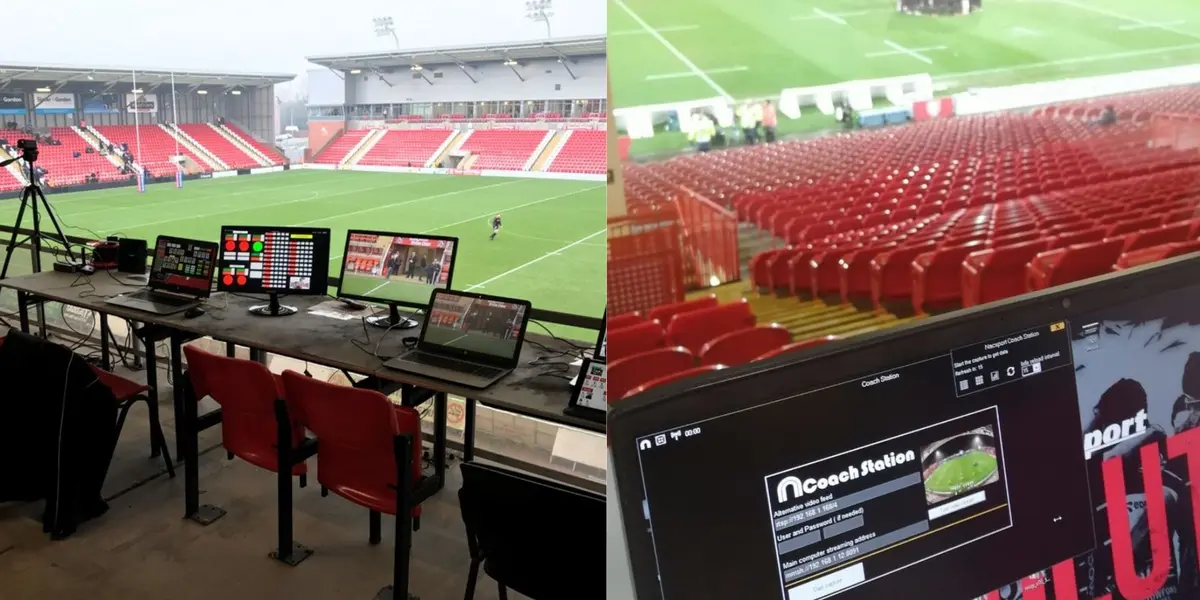
In the era of modern football, where the difference between victory and defeat is measured in millimeters, the role of the performance analyst has transcended tactical whiteboards to become a fundamental pillar of elite teams. In the heart of Old Trafford, Manchester United has embraced this analytical revolution, transforming the way the game is conceived and executed.
We, as privileged observers of the Premier League, have witnessed how data analysis has moved from being a secondary tool to becoming the central axis of football strategy. Manchester United, with its rich history and ambition for greatness, has adapted to this new reality, investing in cutting-edge technology and human talent to maximize the performance of its squad.
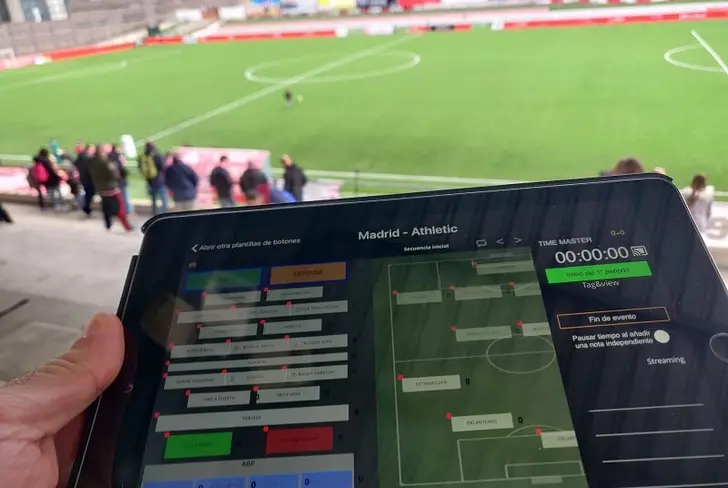
The rise of the performance analyst in the Premier League
Today's football is played at a dizzying speed, where instantaneous decision-making and millimeter precision are crucial. In this context, the performance analyst emerges as a silent strategist, capable of unraveling the secrets of the game through data analysis. Their work goes far beyond basic statistics; they delve into the deep study of the movement, position, and interaction of each player, both their own and the opponent's.
In the Premier League, the cradle of modern football, teams have understood the importance of having a top-level performance analysis department. Manchester United, aware of the need to stay at the forefront, has integrated these professionals into their coaching staff, allowing them to influence training planning, tactical development, and decision-making during matches.
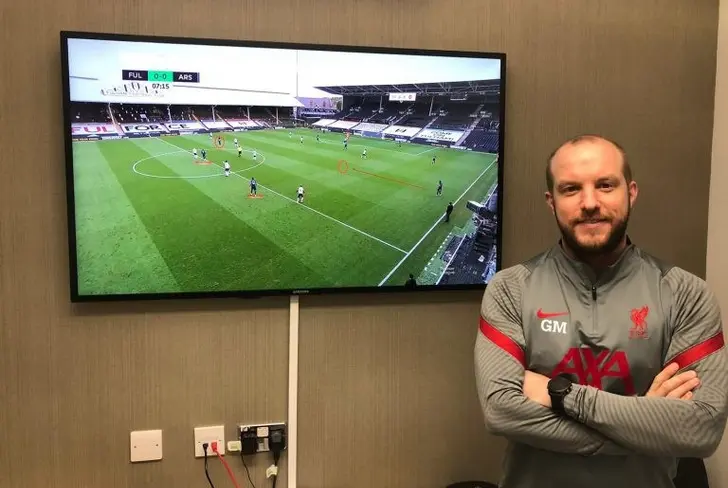
Technology and data: Tools of the modern analyst
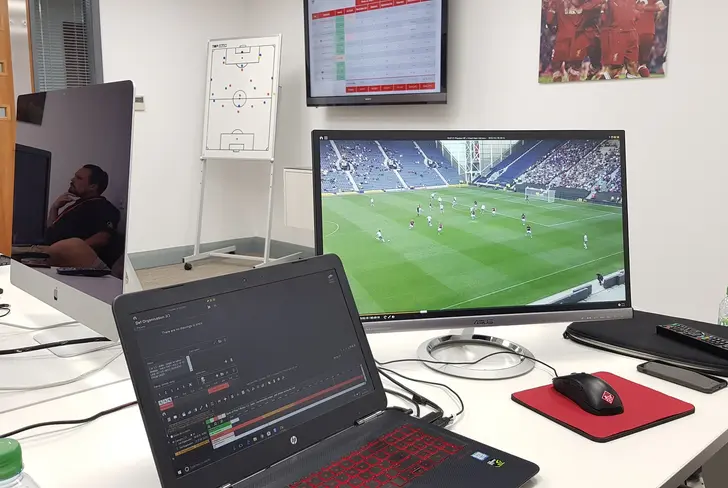
The modern performance analyst relies on an arsenal of technological tools that allow them to collect, process, and analyze a vast amount of data. The use of GPS to track player movement, video analysis with artificial intelligence to identify game patterns, and specialized software for data visualization are just a few examples of the tools these professionals use.
The collected data is translated into detailed reports that allow coaches to better understand their players' performance, identify areas for improvement, and make informed strategic decisions. At Manchester United, this information is used to personalize training, prevent injuries, and optimize the individual and collective performance of the squad.
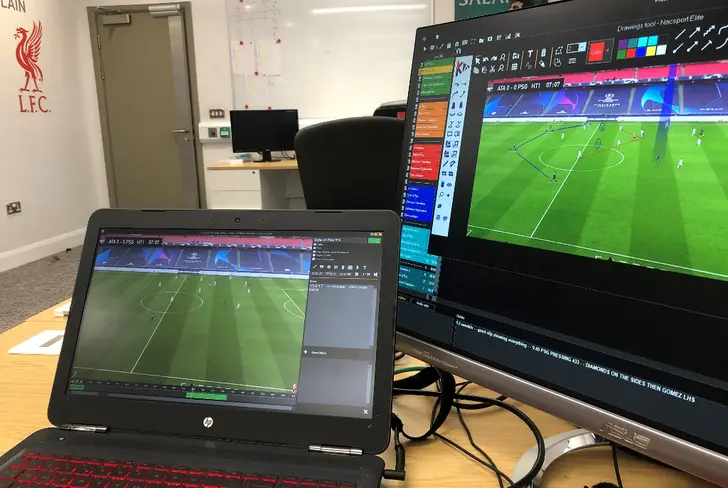
Case study: The impact at Manchester United
Manchester United has invested significantly in its performance analysis department, recognizing its crucial role in achieving sporting objectives. This investment has resulted in a notable improvement in tactical decision-making, injury prevention, and individual player development.
Data analysis allows Manchester United coaches to anticipate the opponent's movements, design specific strategies for each match, and make real-time tactical adjustments. In addition, individualized player performance tracking allows for the identification of areas for improvement and the design of personalized training programs.
- Optimization of individual and collective performance.
- Injury prevention through the analysis of risk factors.
- Exhaustive analysis of the opponent to identify strengths and weaknesses.
- Tactical decision-making based on objective data.
- Development of young talent through personalized training programs.
The analyst as strategist: Beyond statistics
The performance analyst is not limited to presenting data; their work goes far beyond. Their deep knowledge of the game and the opponent allows them to interpret data and propose strategies that optimize team performance. At Manchester United, these professionals have become strategic advisors to coaches, providing their analytical vision for crucial decision-making.
Their ability to anticipate the opponent's movements, identify game patterns, and propose tactical solutions makes them key members of the coaching staff. At Manchester United, the performance analyst is a silent strategist who works in the shadows, but whose impact on the field is undeniable.
The future of performance analysis in football
The evolution of technology and artificial intelligence will open new possibilities for performance analysis in football. Analysts are expected to play an even more crucial role in strategic decision-making, talent development, and injury prevention. At Manchester United, the future of performance analysis looks promising, with the implementation of new tools and methodologies that will further optimize team performance.
The integration of virtual reality and augmented reality in performance analysis will allow players and coaches to simulate game situations and practice decision-making in a virtual environment. Additionally, the use of big data and machine learning will allow for the identification of game patterns and trends that would be impossible to detect with the naked eye.
In short, the performance analyst has become a fundamental pillar of modern football, and Manchester United has capitalized on their potential to achieve sporting excellence. The investment in technology and human talent has allowed the English club to stay at the forefront of data analysis, transforming the way the game is conceived and executed.
We, as privileged witnesses of this analytical revolution, are convinced that the future of football lies in the integration of technology and data analysis in strategic decision-making. Manchester United, with its determined commitment to the performance analyst, is positioned as a benchmark in this new era of football.
What you should know about the performance analyst at Manchester United:
- The performance analyst is a silent strategist who works in the shadows, but whose impact on the field is undeniable.
- Manchester United has invested significantly in its performance analysis department, recognizing its crucial role in achieving sporting objectives.
- The evolution of technology and artificial intelligence will open new possibilities for performance analysis in football.
- The modern performance analyst relies on an arsenal of technological tools that allow them to collect, process, and analyze a vast amount of data.
- Their deep knowledge of the game and the opponent allows them to interpret data and propose strategies that optimize team performance.
You may also be interested in




More news

The Numbers Don't Lie: Casemiro's Dominance Returns
31/03/2025

United's Dream Pairing: The Duo Fans Are Eager to See
31/03/2025

Hojlund's Fate: Will He Stay or Leave Man United?
31/03/2025

Højlund's Plummeting Value: A Cause for Concern at Man United
31/03/2025

Giggs' Misjudgement: Depay's Free-Kick Hopes Fall Flat
31/03/2025

Man United's Summer Clearout: Players on the Chopping Block
31/03/2025

Financial Divide: Man United's Value Dwarfs Olympique Lyon's Squad Cost
30/03/2025

Onana Exit Rumors Swirl: How the Goalkeeper Is Responding
30/03/2025

Eriksen breaks the silence about the rumors of not renewing
30/03/2025

World-Class Player Available: Romano Reveals Transfer Bombshell
30/03/2025

Ugarte's Premier League Insight: Key Differences From Ligue 1 Revealed
30/03/2025

Garnacho Outshines Salah and Haaland: A Stunning Statistical Triumph
29/03/2025

Ekitike's Staggering Stats: Why Man United Are Keen
29/03/2025

Beyond Legends: The United Player Who Rewrote Investment History
29/03/2025

Manchester's Goalkeeping Giants: Who Reigns Supreme?
29/03/2025

Fernandes' Fortune: Unveiling the Price Tag of United's Captain
29/03/2025

The Manchester United jewel that was rumoured for Barcelona ended up in an exotic league
29/03/2025

Father's Faith Pays Off: 100 Pound Bet on Son's United Debut
29/03/2025