
How do the media affect the Manchester United Football Club manager?
The bench under the microscope: Media and the figure of the manager at Manchester United
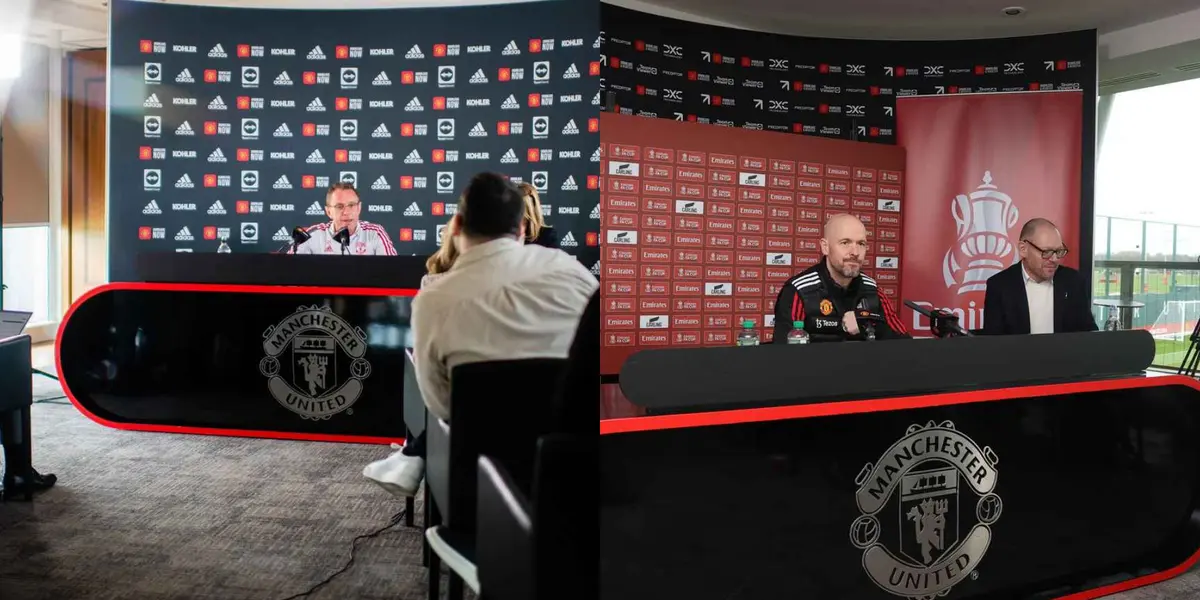
In the heart of Old Trafford, the figure of the Manchester United manager stands as a beacon, constantly bathed in the intense light of the media. This exposure, once a privilege, has transformed into a crucible of pressure, where every decision, every statement, and every result is dissected and amplified. The digital age has intensified this scrutiny, turning the United bench into a stage where the media narrative can influence as much as on-field tactics.
We, as observers and narrators of this football drama, have witnessed how the balance of power has shifted, granting the media unprecedented influence. The ability to shape public perception, to exalt or denigrate, has become a powerful tool, capable of defining the destiny of a manager. In this article, we will explore how this dynamic affects Manchester United, a club where history and expectation intertwine with the media whirlwind.
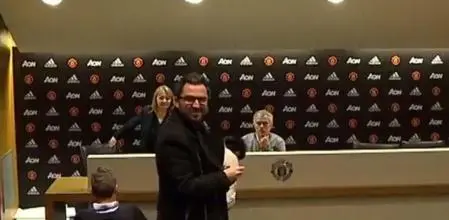
Media pressure: A determining factor in the manager's performance?
Media pressure, a phenomenon omnipresent in modern football, manifests itself with particular intensity in clubs of the stature of Manchester United. The figure of the manager, in particular, is under constant scrutiny, where every move is analyzed and every result is evaluated with a magnifying glass. This constant exposure can create an environment of tension that directly affects the team's performance.
Media coverage, both positive and negative, has a significant psychological impact on the manager. Criticism can generate doubts and undermine confidence, while excessive praise can create a false sense of security. In the case of Manchester United, recent history has shown how media pressure can precipitate the downfall of managers, even those with a successful track record.
Social media and public scrutiny: A new challenge for the strategist
Social media has revolutionized the way fans interact with football, but it has also introduced a new level of scrutiny for managers. Platforms like Twitter, Instagram, and Facebook have become forums where opinions and criticisms are expressed without filter, creating a high-pressure environment for strategists.
The immediacy of social media amplifies criticism and praise, generating a constant feedback loop. Managers must deal with the pressure of instant opinions, which are often impulsive and lack in-depth analysis. Additionally, the virality of content can generate a media narrative that escapes the club's control.
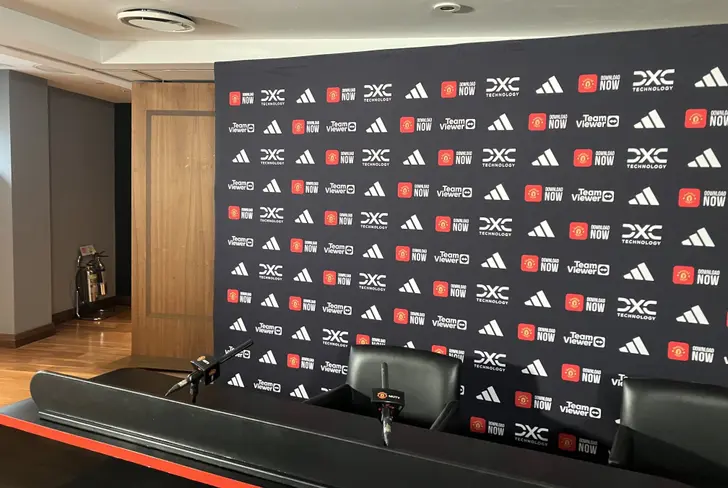
The relationship with the sports press: Communication strategies and crisis management
The relationship between the manager and the sports press is a crucial aspect of managing a club like Manchester United. Press conferences, interviews, and official statements are key tools for communicating the club's vision and managing crises.
A successful manager must be able to effectively communicate their ideas and strategies, both to the players and to the fans and the media. Transparency and honesty are essential to building a relationship of trust with the press, which can help mitigate the impact of criticism and rumors.
The role of former players and analysts: Constructive criticism or additional pressure?
Former players and sports analysts play an important role in football media coverage. Their opinions and analyses can influence public perception of the manager and the team. However, the line between constructive criticism and excessive pressure can be blurred.
In the case of Manchester United, the opinions of former players like Gary Neville, Roy Keane, and Rio Ferdinand carry significant weight. Their comments can generate debates and controversies, but they can also provide valuable insights into the team's performance.
Rumors and speculation: The transfer market and uncertainty on the bench
The transfer market is a period of high media intensity, especially for clubs like Manchester United. Rumors and speculation about possible signings and departures create an environment of uncertainty that can affect the team's stability and confidence in the manager.
The sports press often becomes a key player in the transfer market, spreading rumors and speculation that can influence negotiations and public perception of players and managers. The manager's ability to manage this uncertainty is essential to maintaining team cohesion.
In conclusion, the influence of the media on the figure of the Manchester United manager is a complex and multifaceted phenomenon. Media pressure, social media, the relationship with the sports press, the opinions of former players and analysts, and transfer market rumors are factors that can influence the manager's performance and the public perception of the team.
What you should know about the influence of the media on the Manchester United manager:
- Media pressure can significantly affect the manager's performance.
- Social media amplifies public scrutiny and criticism.
- The relationship with the sports press requires effective communication strategies.
- The opinions of former players and analysts influence public perception.
- Rumors and speculation generate uncertainty on the bench.
You may also be interested in
More news
The Numbers Don't Lie: Casemiro's Dominance Returns
31/03/2025
United's Dream Pairing: The Duo Fans Are Eager to See
31/03/2025
Hojlund's Fate: Will He Stay or Leave Man United?
31/03/2025
Højlund's Plummeting Value: A Cause for Concern at Man United
31/03/2025
Giggs' Misjudgement: Depay's Free-Kick Hopes Fall Flat
31/03/2025
Man United's Summer Clearout: Players on the Chopping Block
31/03/2025
Financial Divide: Man United's Value Dwarfs Olympique Lyon's Squad Cost
30/03/2025
Onana Exit Rumors Swirl: How the Goalkeeper Is Responding
30/03/2025
Eriksen breaks the silence about the rumors of not renewing
30/03/2025
World-Class Player Available: Romano Reveals Transfer Bombshell
30/03/2025

Ugarte's Premier League Insight: Key Differences From Ligue 1 Revealed
30/03/2025
Garnacho Outshines Salah and Haaland: A Stunning Statistical Triumph
29/03/2025
Ekitike's Staggering Stats: Why Man United Are Keen
29/03/2025
Beyond Legends: The United Player Who Rewrote Investment History
29/03/2025
Manchester's Goalkeeping Giants: Who Reigns Supreme?
29/03/2025
Fernandes' Fortune: Unveiling the Price Tag of United's Captain
29/03/2025
The Manchester United jewel that was rumoured for Barcelona ended up in an exotic league
29/03/2025
Father's Faith Pays Off: 100 Pound Bet on Son's United Debut
29/03/2025