
How did the Premier League transform Manchester United's style of play?
The Premier League and its mark on the transformation of Manchester United
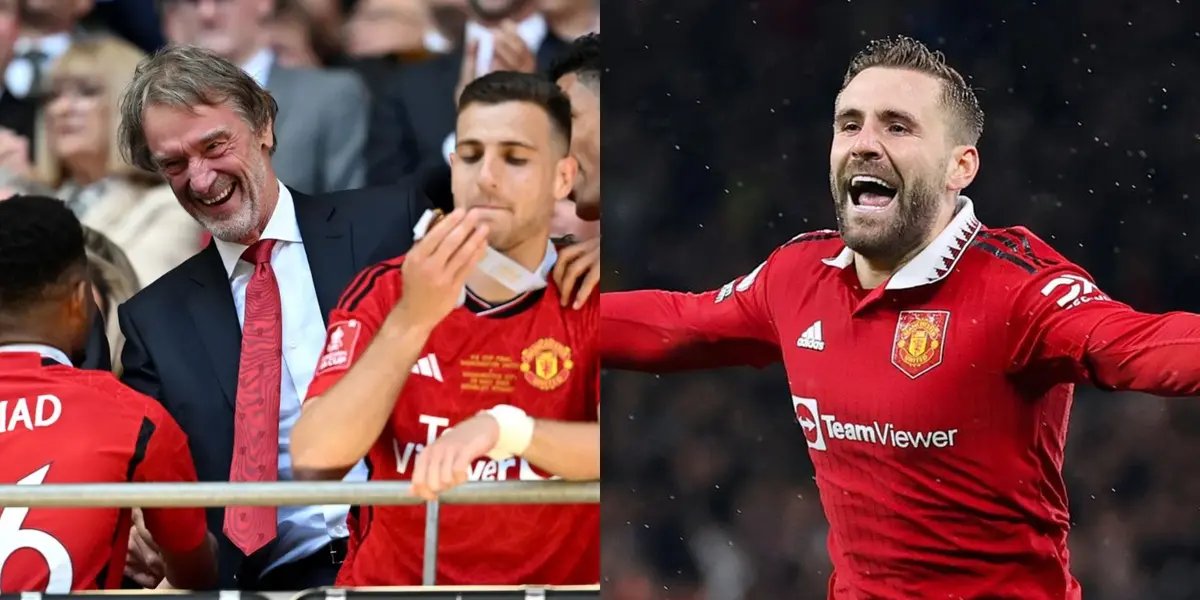
From our perspective as English football analysts, we have witnessed how the Premier League has exerted a profound and multifaceted influence on Manchester United's style of play. The league, known for its intensity and competitiveness, has forced the club to evolve and adapt, marking a before and after in its recent history.
This analysis seeks to unravel the keys to this transformation, from tactical changes to the team's mentality, and how the Premier League has shaped the Manchester United we know today.

Tactical impact: Speed and rapid transitions
The Premier League has imposed a frenetic pace of play, characterized by rapid transitions and vertical football that demands great physical and mental condition. Manchester United has responded to this challenge by adopting a more dynamic and direct style, with an emphasis on speed and passing accuracy.
We have observed how players like Marcus Rashford and Bruno Fernandes embody this new approach, leading quick attacks and exploiting spaces with skill and determination. The team's ability to switch from defense to attack in a matter of seconds has become one of its main strengths.

Physical dominance and winning mentality: Pillars of the Premier League
The English league is synonymous with physical and mental strength, where every match is a battle for supremacy. Manchester United has internalized this demand, developing a winning mentality that allows it to compete at the highest level. Resilience and the ability to overcome adversity are hallmarks of the team today.
In our coverage, we have highlighted matches where Manchester United demonstrated its ability to fight to the end, coming back from adverse results and showing an admirable fighting spirit. This mentality, forged in the crucible of the Premier League, is fundamental to the team's success.

Strategic signings: Reinforcing the Premier League style
The influence of the Premier League extends to Manchester United's transfer policy. The club has prioritized the signing of players who adapt to the league's style of play, with an emphasis on speed, physical power and pressing ability.
We analyze how recent signings have reinforced the league's prevailing style of play. The incorporation of players with Premier League experience has facilitated the team's adaptation to the demands of the competition, contributing to its tactical evolution.

Adaptation to high pressure and positional play
The Premier League is characterized by high pressure and sophisticated positional play, tactics that demand great discipline and coordination. Manchester United has worked to counter these strategies, developing a flexible and adaptable system of play.
We have observed how the team has improved its ability to overcome rival pressure, using possession play to control the pace of the match and create scoring opportunities. Adapting to these tactics has been key to Manchester United's success in the Premier League.
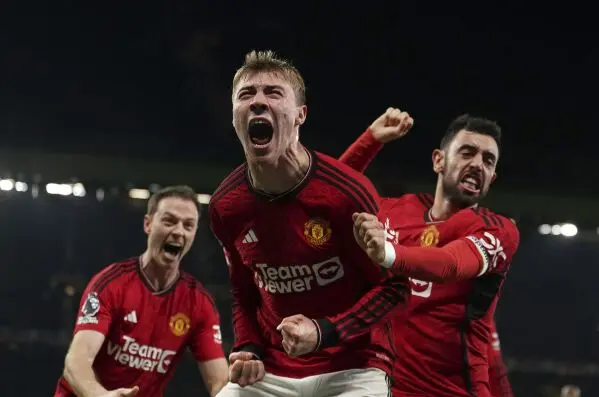
Manchester United's future in the Premier League era
Manchester United faces the challenge of maintaining its identity while adapting to the demands of the Premier League. The combination of tradition and modernity will be key to the team's success in the future.
- Maintain the club's identity while adapting to modern demands.
- The role of the fans in this transformation process.
- The importance of the youth academy in the team's future.
The evolution of the youth academy in the Premier League
The Premier League has driven increased investment in club youth academies, seeking to develop young talent that adapts to the league's style of play. Manchester United has responded to this challenge by strengthening its academy and promoting the integration of young promises into the first team.
We have closely followed the evolution of the Manchester United youth academy, highlighting the emergence of players who have demonstrated their quality in the Premier League. The commitment to young talent is a fundamental strategy for the club's future.
The Premier League has left an indelible mark on Manchester United, transforming its style of play and mentality. Adapting to the demands of the league has been a continuous process, but the team has demonstrated its ability to evolve and compete at the highest level. Manchester United's future in the Premier League looks promising, with a team that combines tradition and modernity.
What you need to know about the Premier League's influence on Manchester United:
- The league has imposed a frenetic and vertical pace of play.
- The team has developed a winning and resilient mentality.
- Strategic signings have reinforced the league's style of play.
- Manchester United has adapted its tactics to counter high pressure and positional play.
- The club's youth academy plays a fundamental role in its future in the Premier League.
You may also be interested in

More news

The Numbers Don't Lie: Casemiro's Dominance Returns
31/03/2025
United's Dream Pairing: The Duo Fans Are Eager to See
31/03/2025

Hojlund's Fate: Will He Stay or Leave Man United?
31/03/2025
Højlund's Plummeting Value: A Cause for Concern at Man United
31/03/2025
Giggs' Misjudgement: Depay's Free-Kick Hopes Fall Flat
31/03/2025

Man United's Summer Clearout: Players on the Chopping Block
31/03/2025
Financial Divide: Man United's Value Dwarfs Olympique Lyon's Squad Cost
30/03/2025

Onana Exit Rumors Swirl: How the Goalkeeper Is Responding
30/03/2025
Eriksen breaks the silence about the rumors of not renewing
30/03/2025
World-Class Player Available: Romano Reveals Transfer Bombshell
30/03/2025

Ugarte's Premier League Insight: Key Differences From Ligue 1 Revealed
30/03/2025
Garnacho Outshines Salah and Haaland: A Stunning Statistical Triumph
29/03/2025
Ekitike's Staggering Stats: Why Man United Are Keen
29/03/2025
Beyond Legends: The United Player Who Rewrote Investment History
29/03/2025
Manchester's Goalkeeping Giants: Who Reigns Supreme?
29/03/2025
Fernandes' Fortune: Unveiling the Price Tag of United's Captain
29/03/2025
The Manchester United jewel that was rumoured for Barcelona ended up in an exotic league
29/03/2025
Father's Faith Pays Off: 100 Pound Bet on Son's United Debut
29/03/2025