
Former Manchester United player slams Ten Hag's work and his treatment of the squad
The footballer didn't get much playing time and ended up leaving the club.
By Axel Reyes
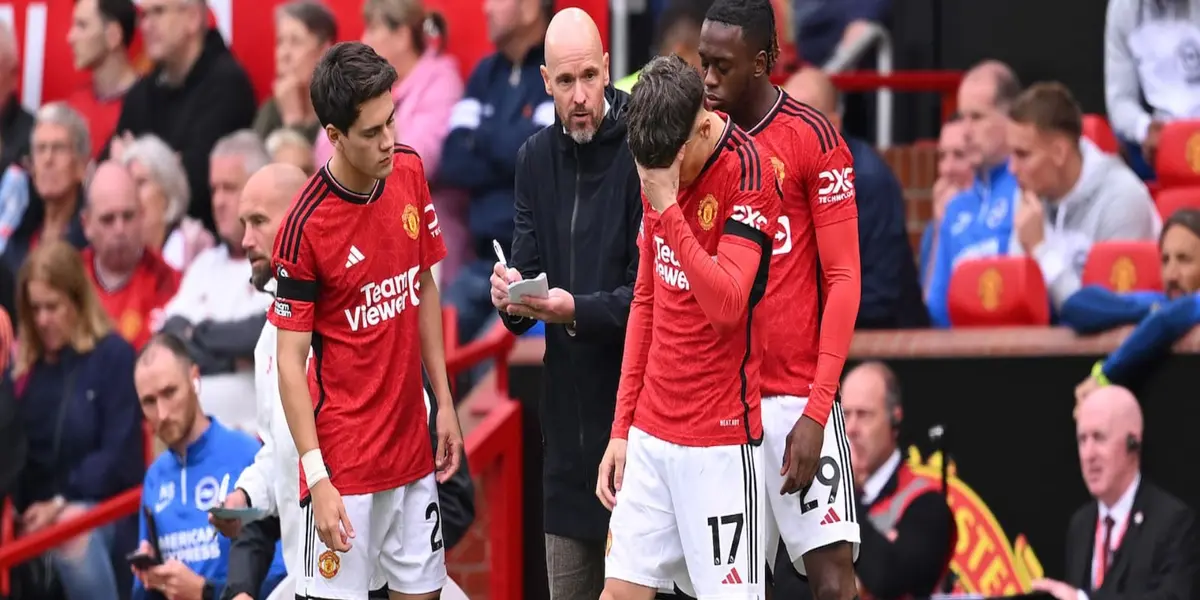
Raphaël Varane, the former Manchester United defender, has shed light on Erik ten Hag's training style during his time at Old Trafford, offering a comparison to his experiences at Real Madrid.
"It was the opposite," Varane commented, referring to the differences between ten Hag's approach and the training regimes he experienced at Real Madrid. "With quite rigid and pre-defined game plans. There was very little flexibility in terms of adapting on the pitch. The game plans were very, very precise, with a lot of information. It was different."
Varane also revealed that ten Hag often clashed with some of the senior players in the squad. "He was always in conflict with some of the leaders of the group. That's his way," Varane explained.
A Contrasting Approach
Varane's comments offer an interesting insight into ten Hag's managerial style. While at Real Madrid, he was accustomed to a more fluid and adaptable approach to training and game plans. Under ten Hag, however, he encountered a more rigid and structured environment.
The former Manchester United defender highlighted the precision and detail of ten Hag's game plans, suggesting that the manager places a strong emphasis on preparation and tactical discipline. This approach contrasts with the more improvisational style that Varane experienced at Real Madrid.
Clashes with Senior Players
Varane's revelation about ten Hag's conflicts with senior players also paints a picture of a manager who is not afraid to assert his authority. It suggests that ten Hag is willing to challenge established figures in the dressing room to implement his vision and maintain control.
This confrontational approach may have contributed to some of the tensions that reportedly existed within the Manchester United squad during ten Hag's tenure. However, it also demonstrates the manager's determination to impose his methods and establish a winning culture.
A Different Perspective
It is important to note that Varane is no longer a Manchester United player, and ten Hag is no longer the manager of the club. Their perspectives may have evolved since their time together at Old Trafford.
However, Varane's comments provide valuable insights into ten Hag's work style and his relationships with players. They offer a glimpse into the challenges and dynamics that existed within the Manchester United dressing room during a period of transition and change.
A Legacy of Change
Ten Hag's time at Manchester United was marked by both progress and controversy. While he achieved some notable successes, such as winning the Carabao Cup and securing a top-four finish in the Premier League, he also faced criticism for his tactical approach and his handling of certain players.
Varane's revelations add another layer to the understanding of ten Hag's legacy at Manchester United. They highlight the manager's commitment to structure and discipline, as well as his willingness to challenge established norms.
The Importance of Adaptability
Varane's experiences under different managers underscore the importance of adaptability in football. Players must be able to adjust to different training styles, tactical approaches, and personalities to thrive in various environments.
His comments also emphasize the need for managers to strike a balance between structure and flexibility. While detailed game plans and tactical discipline are essential, the ability to adapt and improvise on the pitch is equally crucial for success.
A Chapter Closed
The ten Hag era at Manchester United has come to an end, and both the manager and the players have moved on to new chapters in their careers. However, the insights shared by Varane provide a valuable perspective on a period of significant change and transformation at Old Trafford.
His comments offer a glimpse into the challenges and complexities of managing a football club at the highest level, as well as the importance of communication, leadership, and adaptability in achieving success.
You may also be interested in
The centre-back partnership that all Man United fans miss, one has retired and the other remains at the club
Man United wants to snatch the 'new Varane' from Real Madrid
How has Manchester United changed? Evolution of tactical systems throughout its history

Ten Hag's deep reflection on the new generations
More news
The Numbers Don't Lie: Casemiro's Dominance Returns
31/03/2025
United's Dream Pairing: The Duo Fans Are Eager to See
31/03/2025
Europa League Favorite Revealed: And It's Not Man United
31/03/2025
Man United's Multi-Million Bid for De Jong
31/03/2025
Bayindir's Future at United: What Are the Plans?
31/03/2025
Hojlund's Fate: Will He Stay or Leave Man United?
31/03/2025
AI Predicts United's Fate: Europa League Clash With Lyon
31/03/2025
Højlund's Plummeting Value: A Cause for Concern at Man United
31/03/2025
Giggs' Misjudgement: Depay's Free-Kick Hopes Fall Flat
31/03/2025
Man United's Summer Clearout: Players on the Chopping Block
31/03/2025
Financial Divide: Man United's Value Dwarfs Olympique Lyon's Squad Cost
30/03/2025
Onana Exit Rumors Swirl: How the Goalkeeper Is Responding
30/03/2025
Eriksen breaks the silence about the rumors of not renewing
30/03/2025
World-Class Player Available: Romano Reveals Transfer Bombshell
30/03/2025
Ugarte's Premier League Insight: Key Differences From Ligue 1 Revealed
30/03/2025
Garnacho Outshines Salah and Haaland: A Stunning Statistical Triumph
29/03/2025
Ekitike's Staggering Stats: Why Man United Are Keen
29/03/2025
Beyond Legends: The United Player Who Rewrote Investment History
29/03/2025